
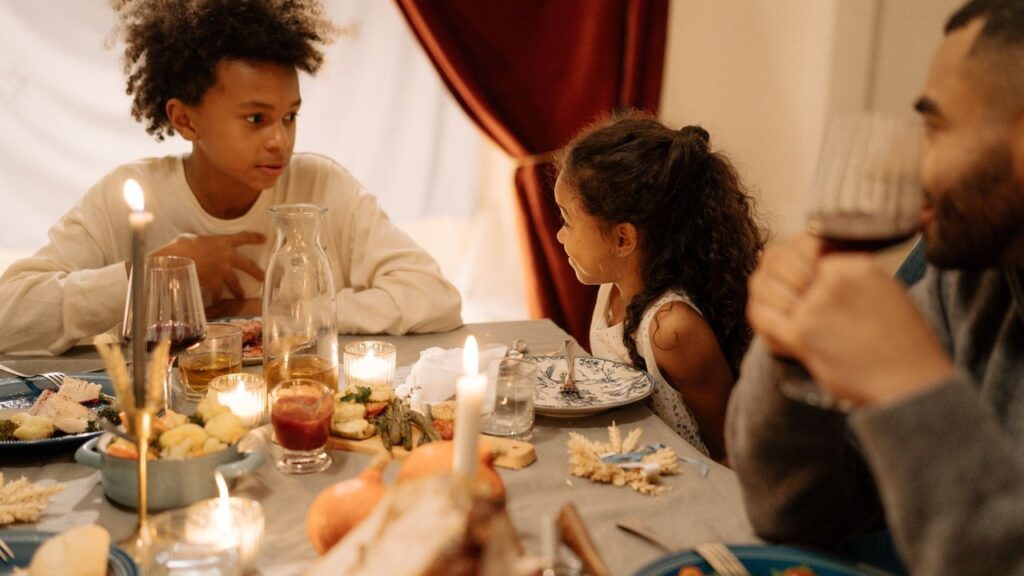
I used to think I had a gift for keeping my family calm. Someone would raise something touchy at dinner, and before it could turn into an argument, I’d already redirected the conversation, made a joke, or simply agreed so everyone could relax. For years I called that peacekeeping. Looking back, I can see it was often just avoidance with better manners — and it quietly made it harder for anyone in the house to say what they actually meant.
The habits themselves were not dramatic. That is what made them so easy to miss. Each one felt small and reasonable in the moment, something any tired parent or partner might do without a second thought. Together, though, they built a pattern where disagreement felt dangerous and honesty felt like an interruption rather than a normal part of family life.
Changing the subject the instant things got uncomfortable
Picture a hypothetical family dinner where a teenager mentions they are struggling in a class, and a parent immediately pivots to weekend plans. The intention is kindness — nobody wants a meal to turn tense — but the message received is different: this topic is not welcome here. Do that often enough, with grades, money worries, or hurt feelings, and people stop bringing things up at all. They do not feel resolved; they feel dismissed, and they learn to save the real conversation for someone outside the house.
Smoothing over disagreements with humor
A well-timed joke can genuinely defuse tension, but used as a reflex, it does something else. Imagine a couple disagreeing about how to split chores, and one partner jokes their way out of it every single time before any actual compromise gets made. The disagreement never disappears; it just goes underground. Humor as a constant exit ramp can quietly tell the people you love that their frustration is not something you are willing to sit with, even briefly.
Agreeing in the moment and changing nothing afterward
This is the habit of saying “you’re right, I’ll handle it” simply to end a conversation, with no real plan to follow through. It buys peace for about five minutes. Afterward, the underlying issue is still there, except now the other person has learned that agreement in your house does not necessarily mean anything will change. Over time, family members may stop raising concerns altogether, not because things improved, but because asking stopped feeling worthwhile.
Delaying bad news to protect someone’s mood
Waiting for the right moment to share difficult information is sometimes genuinely wise. But a pattern of indefinite postponing — not telling a spouse about a financial setback until it becomes unavoidable, or not mentioning a child’s school trouble until a teacher calls — tends to cause more damage than the original news would have. The person left out starts to sense that they are being managed rather than trusted, and trust, once that feeling sets in, is much harder to rebuild than the original hard conversation would have been.
Going along with whoever reacts the most strongly
In many households, one person’s mood quietly sets the emotional weather. If a parent, partner, or even an older child tends to respond to pushback with frustration or withdrawal, it is tempting to simply defer to them to avoid the reaction. Picture a family where vacation plans, spending decisions, or even what to have for dinner are consistently decided by whoever will be most upset if overruled. Everyone else learns, without ever being told outright, that their honest preference matters less than managing someone else’s temper.
What actual peace looks like instead
None of these habits make someone a bad parent or partner. They usually come from genuine care and a reasonable desire to avoid unnecessary conflict. The distinction worth noticing is between a disagreement that gets resolved quietly and one that simply gets buried. A useful question to ask in the moment is whether the issue is actually settled, or whether it has just been postponed, joked away, or handed to whoever is loudest. If it is the second kind far more often than the first, that is less a sign of a peaceful family and more a sign of one that has quietly agreed not to talk about the things that matter most. Real peace tends to include some friction along the way — a short, honest exchange that feels uncomfortable for a minute but leaves both people actually heard. That discomfort is not the opposite of a peaceful home. It is often what keeps one.
Image Credit: cottonbro studio — Pexels License / Pexels