
You notice it in small moments now—a friend sending a voice memo instead of a text, someone pausing mid-scroll to actually read what you wrote instead of just liking it. Gratitude used to feel like a holiday ritual, something you performed once a year at a table full of relatives. Now it shows up quieter, in the cracks of an overloaded week, and it looks different than it used to.
You grew up watching older generations keep gratitude journals or say grace before dinner, and those habits still matter to plenty of people. But if your days are a blur of notifications, group chats, and a calendar that never has white space, you need gratitude that can survive the pace you actually live at. That means smaller, faster, more portable habits than the ones your parents learned.
Gratitude that fits inside a five-minute gap
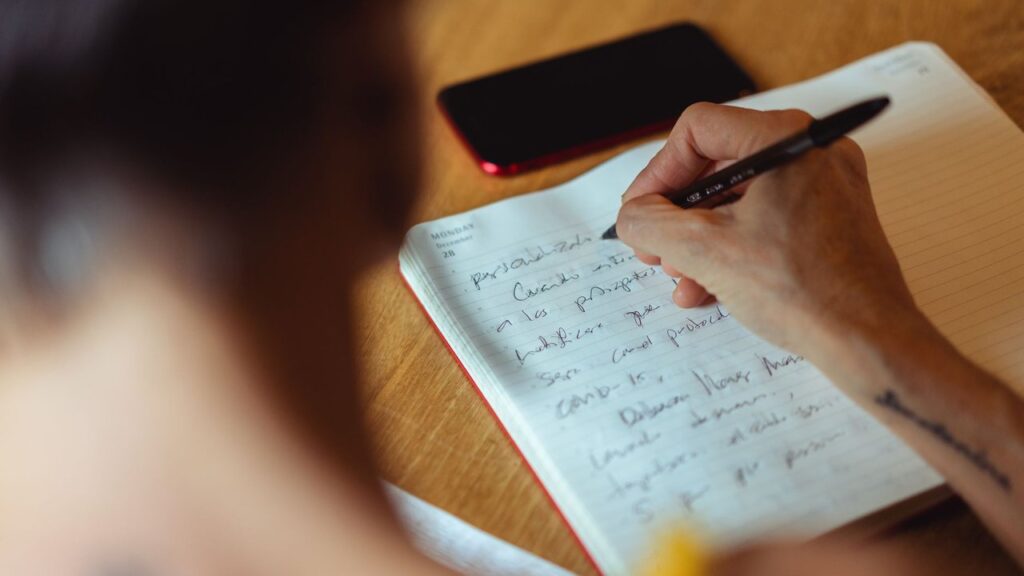
You don’t need a quiet morning or a blank journal page to feel thankful. You need something you can do while waiting for coffee or sitting in traffic. A lot of your peers have started keeping a running note on their phone, just a line or two a day about something small that went right. No formatting, no pressure to make it profound. The point isn’t the writing—it’s the pause before you type it.
You might notice this works better than a big nightly ritual because it doesn’t ask you to be a different, calmer version of yourself. It meets you where you already are, mid-chaos, and asks for thirty seconds instead of thirty minutes.
Saying it out loud instead of just feeling it
You’ve probably felt grateful for a friend without ever telling them. That gap between feeling and saying is where a lot of gratitude quietly disappears. One habit spreading among people your age is sending the actual message—texting a friend out of nowhere to say you’re glad they exist, with no occasion attached. It feels a little exposed the first time you do it. It gets easier.
You start to notice that saying thanks doesn’t have to be a grand gesture. A single sentence sent at the right moment can land harder than a wrapped gift ever could, because it costs you something small and real: a few seconds of vulnerability.
Letting gratitude replace comparison, not compete with it
You already know what endless scrolling does to your sense of enough. The habit worth building isn’t deleting every app—it’s catching yourself mid-scroll and naming one thing in your own life you wouldn’t trade. Not to shame yourself out of envy, just to interrupt it for a second.
You might try this the next time you catch yourself comparing a weekend, an apartment, a relationship. Instead of closing the app in a worse mood, name one specific thing that’s actually yours and actually good. It doesn’t erase the comparison instinct. It just gives you somewhere else to land.
Making room for people who slow you down, on purpose
You probably have at least one friend or family member who doesn’t rush a conversation, who asks a real question and then waits for the real answer. Gratitude gets easier around people like that, because they aren’t competing with your phone for your attention.
You can build a small habit here too—protecting one slow conversation a week, no multitasking, no half-listening. It won’t fix your whole relationship to time, but it gives gratitude somewhere quiet to actually take root instead of getting swallowed by everything else moving fast around you.
None of this requires you to overhaul your life or become someone who journals every sunrise. It just asks you to notice a little more, say it a little more often, and let a handful of small moments count for something in a week that otherwise never stops moving.