
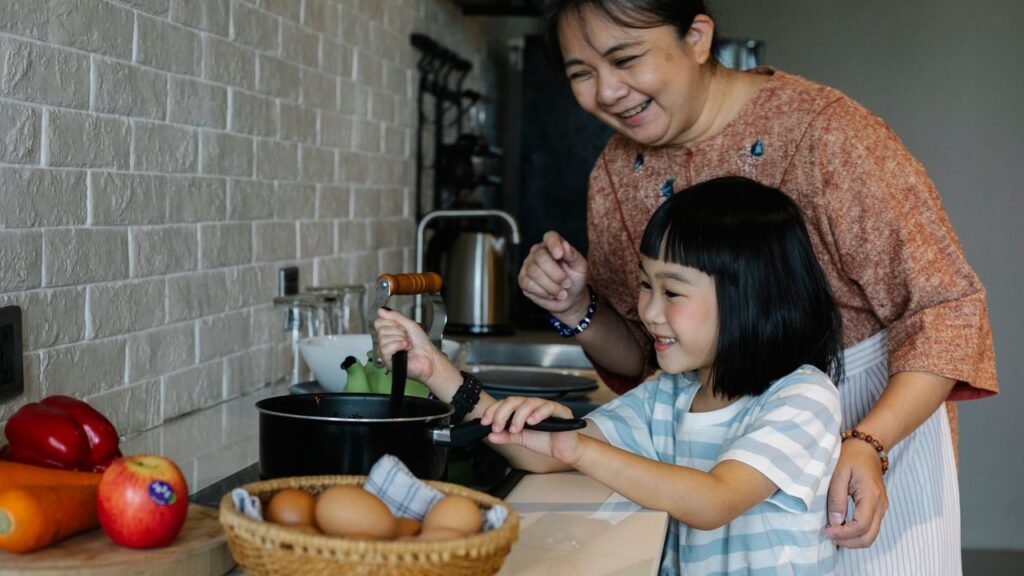
Somewhere between your grandmother’s handwritten index cards and your phone full of saved videos, something interesting is happening in kitchens right now. The recipes haven’t changed as much as the hands making them. If you’ve watched a younger relative swap an ingredient or add a twist to a dish that’s been made the same way for decades, you’ve probably felt two things at once: a little territorial, and a little curious.
That tension is actually the good part. Family recipes survive because someone cares enough to keep making them, not because every version stays frozen in time. When you let a recipe bend without breaking, you’re teaching the next person that the dish matters more than the rulebook around it.
Why the tweaks aren’t a rejection of you
It can sting when someone changes the dish you learned to make a certain way for a reason. Maybe your mother used a specific brand because that’s what was available to her. Maybe a step existed because of a stove she no longer has. When a younger cook swaps something out, she’s usually not dismissing the tradition. She’s trying to make it fit her own kitchen, her own budget, her own taste buds, so she can keep cooking it at all.
If you can resist correcting her in the moment, you leave room for her to actually want to keep making it. Nothing kills interest in a family recipe faster than feeling like you’re being tested every time you touch it.
What actually gets passed down besides the dish
The recipe itself is almost the smallest part of what transfers between generations. What really moves from your hands to hers is timing, instinct, and the small physical habits nobody writes down. How you know dough is ready by touch. How you judge heat by sound instead of a dial. Those things only pass down through repetition, side by side, not through a card in a recipe box.
That’s also why cooking together works better than handing someone a recipe and walking away. You end up narrating things you didn’t realize you knew. She asks why, and you have to find an answer you never had to articulate before. That exchange is where the closeness actually happens, not in the finished plate.
Letting go of being the only keeper
A lot of us hold onto family recipes a little too tightly, as if loosening our grip means losing the person who gave them to us. But a recipe that only exists in one person’s hands dies with that person. A recipe that gets reinterpreted, argued over, and remade a dozen slightly different ways keeps living long after any one cook is gone.
Letting a younger relative put her own stamp on something doesn’t erase where it came from. It usually does the opposite. She starts telling people whose recipe it originally was, which keeps that name alive in a way the untouched dish never could on its own.
Making the time for it worth more than the food
If you want these moments to actually happen, they need to be unhurried. A rushed afternoon where you’re trying to get dinner on the table by six isn’t the setting for teaching anyone anything. Pick a day with no real deadline attached to it. Let mistakes happen. Let her burn something once. That’s often where the real learning sticks.
You don’t need a big occasion to justify the time either. A regular Sunday where you cook one dish together, slowly, teaches more than a holiday where everyone is stressed and the stakes feel too high to experiment.
What you’re really handing someone isn’t a technique or a flavor. It’s a reason to keep showing up in a kitchen with you, long after the dish itself has changed into something neither of you would have recognized at the start.