
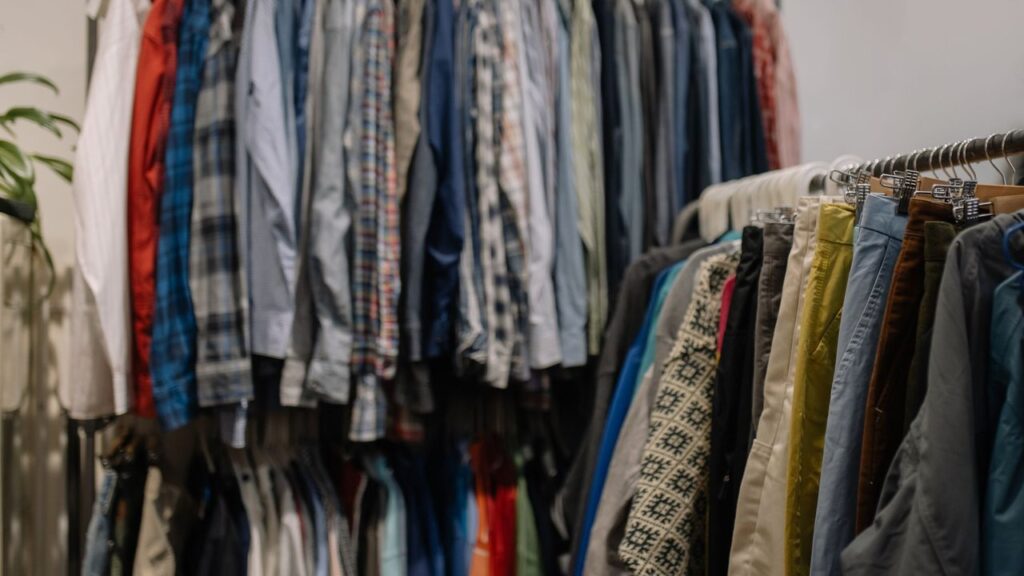
Walk into any thrift store on a Saturday now and you will see something that would have surprised shoppers a decade ago: lines of young women digging through racks with real purpose, not just killing time. Secondhand fashion has stopped being a budget fallback and started being a genuine first choice. If you are trying to figure out why that shift happened, and whether it can actually help you build a wardrobe you love, there is a lot worth unpacking here.
You grew up watching fast fashion promise something it never quite delivered. Cheap tops that fell apart after three washes. Trend pieces that felt dated within a season. At some point you probably noticed that the clothes piling up in your closet were not making you feel put together, just cluttered. Thrifting flips that script because every piece has already survived one owner, which tells you something about its quality before you even try it on.
The real reason secondhand feels different now
You are not just buying clothes when you thrift, you are buying pieces with a little history attached. A vintage blazer or a well-made denim jacket carries a kind of weight that something off a mass rack simply cannot fake. There is also the hunt itself. Scrolling an app or walking a store aisle looking for that one great find feels more like a small adventure than a chore, and that shift in mindset matters more than people give it credit for.
How thrifting actually protects your budget
Building a wardrobe without overspending is less about finding the cheapest version of everything and more about being selective with where your money goes. Thrifting lets you experiment with a bold color or a trend you are unsure about without committing real money to it. If it does not work, you have not lost much. If it does, you have found a piece that likely cost a fraction of its retail price and will probably outlast anything you bought new that same season.
Building pieces by piece instead of all at once
You do not need to overhaul your closet in one trip. Go in looking for one or two specific things rather than trying to replace your whole wardrobe at once. The classics: a good coat, sturdy jeans, a blazer that fits your shoulders well. The experiments: a print or color you have never tried but keep noticing on other people. The basics: plain tees and simple layering pieces that work with everything else you already own. Shopping this way keeps you from bringing home a pile of things that do not actually talk to each other once you get home.
Learning to see quality instead of just price
Secondhand shopping teaches you to check seams, feel fabric weight, and notice how something is actually constructed, skills that fast fashion never asked you to develop. Once you start paying attention to those details, you start making better choices even when you do buy something new. You stop falling for a cute photo and start asking whether a piece will actually hold up.
None of this means every thrift trip ends in a win, and some days you will leave with nothing. But the habit itself changes how you relate to your closet. You start building a wardrobe around pieces you chose carefully instead of ones you grabbed quickly, and that shift tends to follow you well beyond the shopping itself.