
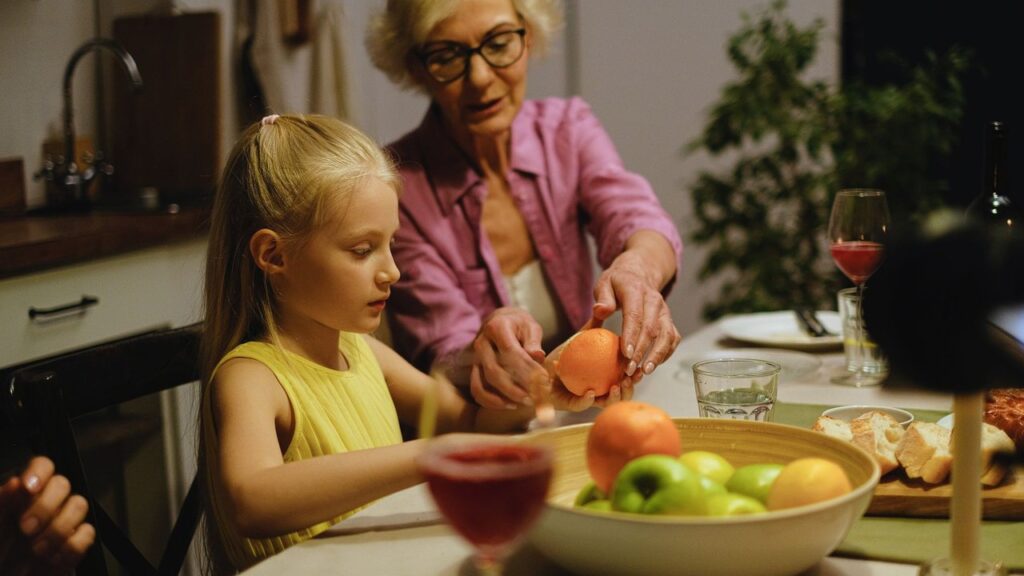
You didn’t plan on becoming the person who drives your grandmother to appointments or manages her pill schedule from a shared notes app. It just happened, somewhere between graduating and figuring out your own rent. Now you’re the one who knows which hospital she prefers and which cousin to call when things get hard.
A lot of young adults are finding themselves in this spot earlier than they expected. The version of adulthood you pictured probably didn’t include coordinating care for a grandparent while still building your own career. But here you are, and the roles in your family are shifting because of it.
The quiet moment when you become the responsible one
Usually there’s no single dramatic event. It’s a slow accumulation of small things — a missed medication, a fall that wasn’t serious but could have been, a phone call that lasted longer than it should have. You notice before anyone names it out loud. Somewhere along the way, you stop being the grandchild who visits and start being the person your family leans on.
That shift can feel disorienting. You might still think of yourself as the kid in the family, even while you’re the one making decisions that affect someone’s daily life. Give yourself permission to feel both things at once — young and newly responsible don’t cancel each other out.
Work doesn’t pause for family needs, even when it feels like it should
One of the hardest parts is that your job doesn’t know what’s happening at home. You still have to show up, meet deadlines, and act like everything is fine while you’re mentally tracking a grandparent’s next appointment. Learning to compartmentalize isn’t avoidance, it’s survival. You can care deeply about your family and still need to focus during a meeting.
If you can, talk honestly with a manager or close coworker about what’s going on, without oversharing every detail. You don’t owe anyone your whole story, but a little context can buy you flexibility when you need it most.
Your siblings and parents are adjusting too, just differently
Family roles don’t change for just one person. Your parents might be grieving the version of their own parent they used to know, while you’re meeting this version for the first time as an adult. Your siblings might step back while you step forward, or the opposite could happen depending on who has the time or the temperament for it.
Resentment can creep in if nobody talks about who’s doing what. A short, honest conversation about who handles which tasks saves everyone from quietly keeping score. You don’t need a formal plan, just clarity about who’s calling the doctor and who’s handling the groceries.
Letting yourself still be young while doing something this adult
You’re allowed to go out with friends, take a weekend trip, or just be tired and not want to talk about any of it. Caring for an aging grandparent doesn’t mean giving up the rest of your life. The guilt that shows up when you try to rest is normal, but it isn’t a fair trade for burning out completely.
Some of the people doing this well have simply stopped trying to do it perfectly. They ask for help, they miss things sometimes, and they forgive themselves for it. That flexibility is what keeps you able to show up tomorrow, not just today.
You’re learning something most people don’t learn until much later — how to hold love and responsibility in the same hand without dropping either one. That skill will stay with you long after this particular season of caregiving ends.