
You check the radar before you check anything else on a storm night. Where the water’s rising. How fast. Which roads to skip when you go pick the kids up from practice. That forecast comes from somewhere specific, and last week the agency behind it got a permanent home written into federal law.
What the bill actually locks in
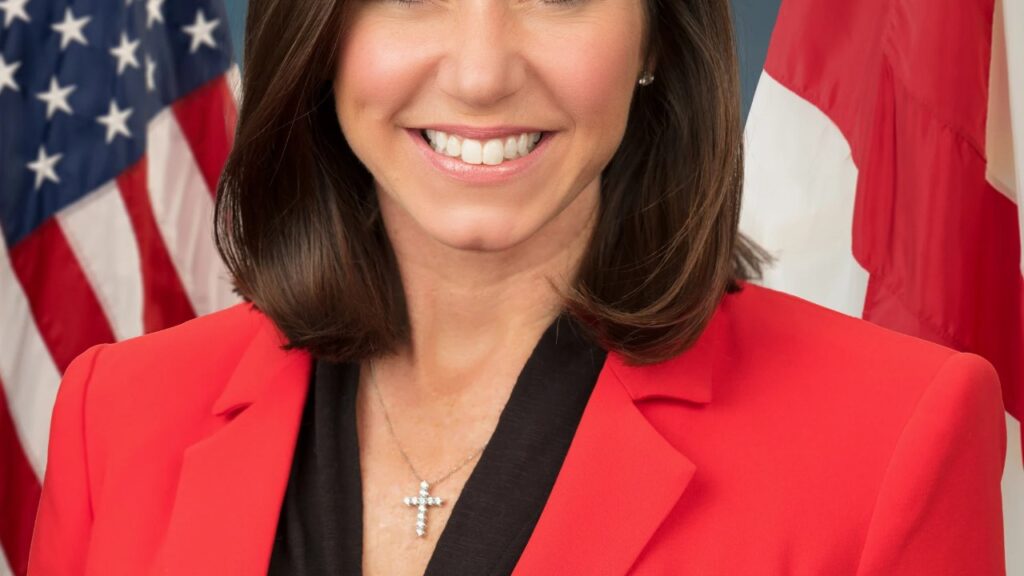
The Water Research Optimization Act, sponsored by Sen. Katie Britt (R-AL) and Sen. Peter Welch (D-VT), passed the full Senate by unanimous consent last week. It’s part of a larger weather-forecasting package, according to Sen. Britt’s own office. The bill makes the National Water Center, based in Tuscaloosa, Alabama, the federal government’s permanent flood-forecasting hub. Not a pilot program. Not a line item a future budget fight can quietly erase.
It also puts the National Weather Service’s 13 River Forecast Centers under that hub’s Office of Water Prediction. And it writes the University of Alabama’s Cooperative Institute for Research to Operations in Hydrology into law — the first of NOAA’s 16 Cooperative Institutes to get that kind of permanence. One bill, three changes: a headquarters, a chain of command for river forecasting, and a research partner Congress can’t drop on its own. The bill moved as part of a larger package the Senate Commerce Committee describes as a comprehensive weather-forecasting bill, reauthorizing and modernizing NOAA’s forecasting work more broadly.
Why the word “permanent” is the real news here
Federal forecasting centers usually run on authority that gets renewed, tweaked, or occasionally left to lapse. Codifying the National Water Center changes that math. The next administration or the next reorganization can’t fold it into something else without Congress passing a law to do it.
Sen. Britt put it plainly in her own release: “The National Water Center at the University of Alabama is leading the nation in water forecasting.” That’s her description of her own bill, not an outside assessment — worth reading as exactly that. What’s actually checkable is the structure: a hub, the River Forecast Centers under it, and a research institute, all sitting in statute now instead of agency policy.
How this becomes your flood forecast
You don’t deal with the National Water Center directly. You deal with the forecast it feeds — the flood watch on your phone, the river-stage number a local meteorologist reads during a storm, the evacuation notice that either comes in time or doesn’t. The Center exists to make those numbers faster and more consistent nationwide, instead of every region running its own separate system.
A permanent hub with a research institute underneath it is the difference between forecasting that improves steadily year over year and one that restarts every time funding shifts. Nothing about tonight’s forecast changes because of this bill. What changes is whether the system behind next year’s forecast keeps the staff and the funding to keep getting better.
Where the bill goes from here
Senate passage by unanimous consent isn’t the finish line. The House still has to pass its own version before any of this becomes law. Sen. Britt’s own statement urged the House to “take up this bill without delay” — her words, and a request, not a done deal.
Unanimous consent means no senator objected enough to force a recorded vote. There’s no opposing figure or competing vote count to report here, because none exists — that’s simply what unanimous consent looks like, not a gap in this story.
Why Alabama specifically
The University of Alabama has run the National Water Center’s research side since the Center opened, which is part of why Sen. Britt is the one carrying this bill rather than a senator from somewhere else. The bill’s co-sponsor, Sen. Peter Welch’s own office, frames it as the bipartisan half of the pairing — a Vermont senator backing an Alabama research hub because the forecasting it produces serves both their states. Codifying the Cooperative Institute keeps that partnership in place by law, not by a grant that could expire or get redirected.
It’s a detail that matters more to how the forecasting improves than to what you’ll notice day to day — the research happens upstream of the number on your phone, not inside it.
What this is actually worth to you
Flood forecasting isn’t abstract once you’ve had to decide, at ten at night, whether a road you drive every day is safe to take home. This bill doesn’t change that decision tonight.
It’s a bet that the system producing tomorrow’s version of that forecast stays funded and staffed instead of getting reorganized out from under itself. You don’t need to track the House’s calendar to get something out of that. You just need to know the number on your phone during the next storm traces back to an agency that Congress has now decided isn’t going anywhere.