
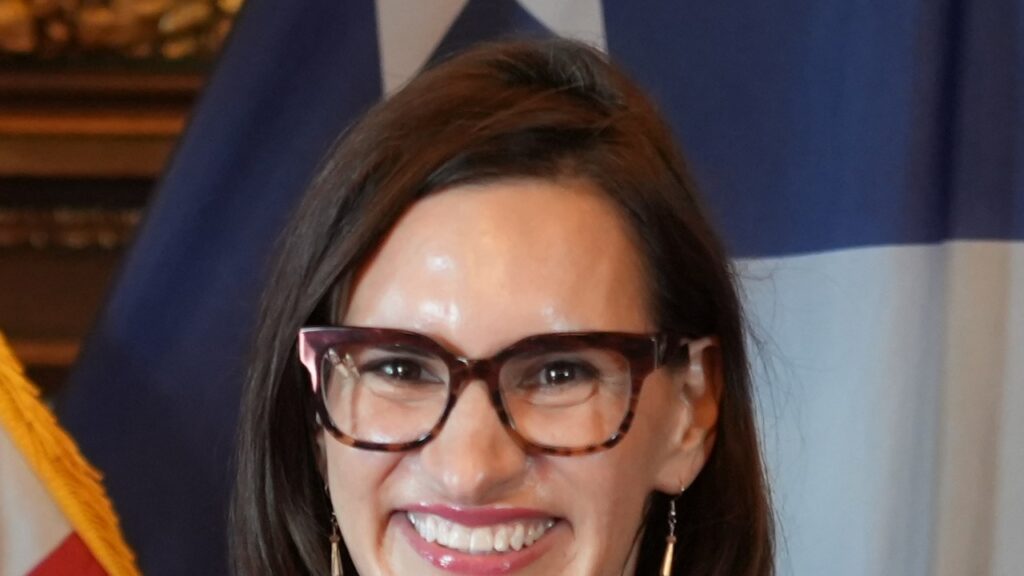
You probably know the name of your state’s governor. Fewer people can name their lieutenant governor, which is exactly why this win is worth your attention. Minnesota elected Lt. Gov. Peggy Flanagan to the U.S. Senate this week, making her the first Native American woman ever to serve in the chamber — in the same election that also gave the state its first woman governor.
What actually happened
Flanagan, Minnesota’s sitting lieutenant governor, defeated Republican nominee Michele Tafoya for the open U.S. Senate seat, according to Minnesota Public Radio’s reporting. The seat opened up when Sen. Tina Smith announced she wasn’t running again. Tafoya, a former Fox Sports sideline reporter, was the race’s other half — a genuine contest between two very different résumés.
The result was independently confirmed by the Minnesota Reformer and by Minnesota public radio station KAXE, both running the same headline the same day: a first for Native American women in the U.S. Senate.
Why this particular first matters
No Native American woman has ever served in the U.S. Senate before this. That’s not a small gap — it’s 237 years of Senate history without this kind of representation in the chamber at all. You don’t have to be from Minnesota, or Native American yourself, to feel the weight of a gap that size finally closing.
What Flanagan brings to the seat: years as lieutenant governor, a statewide profile voters already knew, and now a national platform she didn’t have the day before the election. That combination is part of why this particular race drew attention well beyond Minnesota’s own borders.
A night with two historic results, not one
This result didn’t happen in isolation. The same Minnesota ballot also elected Amy Klobuchar as the state’s first woman governor — a separate race, a separate historic first, decided by the same voters on the same night. You don’t often get two “firsts” from one state in one election. Minnesota got both.
What this isn’t
This article isn’t picking a side in the race, and it isn’t telling you how to feel about the outcome. It’s reporting what happened: a sitting lieutenant governor won an open Senate seat, and in doing so, became the first Native American woman to hold one. Whatever you think of the politics underneath it, the historic fact of the win stands on its own.
What changes now
Flanagan heads to Washington with a record nobody else in the chamber’s history can claim. For you, that might mean nothing more than a new name to recognize on the news. Or it might mean watching, for the first time, a Native American woman’s voice shape a vote you actually care about.
Either way, it’s a first worth knowing happened, and knowing why. These milestones tend to arrive quietly in the news cycle, sandwiched between a dozen other election-night stories, and then get mentioned once a year on an anniversary. You don’t have to wait for the anniversary to notice this one.