
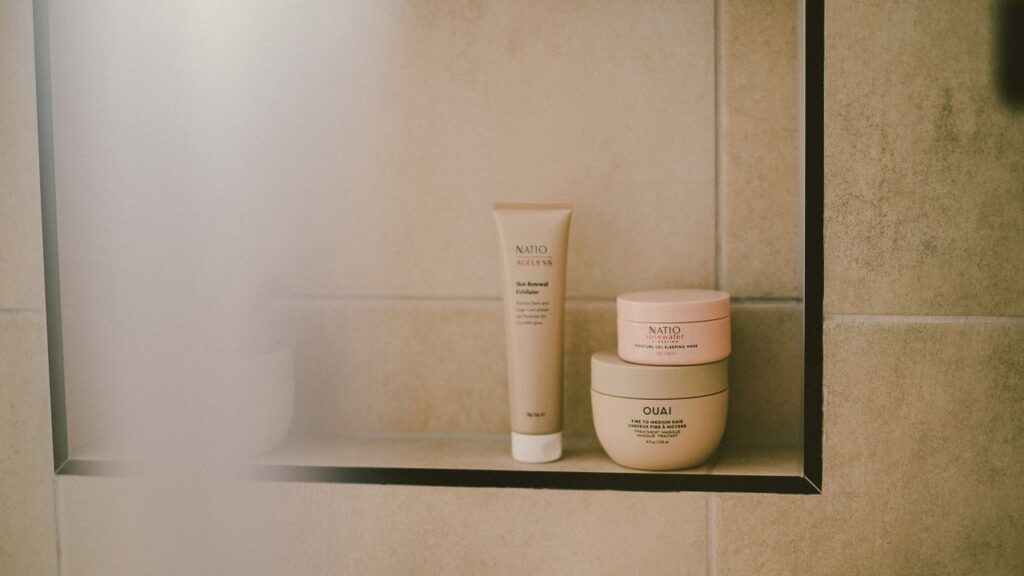
You want your skin care shelf to match your values, and that search can feel more confusing than it should. Labels throw around words like natural and gentle without telling you what actually happened before that bottle reached a store. Finding products that are kinder to animals takes a little patience, but it gets easier once you know what to look for.
The first thing worth understanding is that cruelty-free isn’t one fixed legal term. It generally means the finished product and its ingredients weren’t tested on animals at any stage. But brands use the phrase loosely, so you have to read a little past the front of the bottle to trust it.
What the label is really telling you
A bottle that says not tested on animals can still be made by a parent company that tests elsewhere, in a different market or for a different product line. That gap matters if you care about the whole business, not just the item in your hand. Look at the back of the packaging, not just the front, for a small symbol like a bunny or a leaping figure. Those symbols usually mean a brand went through some outside check, which carries more weight than a slogan it wrote for itself.
You’ll also see the word vegan on skin care, and it’s easy to assume that means cruelty-free too. It doesn’t automatically. Vegan tells you about ingredients, not about testing history. A product can be fully plant-based and still have been tested on animals somewhere along the way, so treat the two words as separate questions, not one.
Reading ingredient lists without losing your mind
You don’t need to memorize chemistry to shop this way. A few ingredients, like certain forms of collagen, squalene, and some waxes, often come from animals rather than plants. If that matters to you, keep a short mental list of the ones you want to avoid and scan for them quickly. Over time this gets faster, the same way checking nutrition labels eventually becomes second nature.
When you’re unsure about a product, a quick message to the brand’s customer service can tell you more than any label. Ask directly whether the finished product and its ingredients are tested on animals, and whether that’s true everywhere the brand sells, including markets with different rules. A brand that’s genuinely committed to this will usually answer clearly and without hesitation. One that goes vague or defensive is telling you something too.
Building a routine you can trust without starting over
You don’t have to replace your whole routine overnight. Swap one product at a time as you run out, starting with whatever matters most to you, maybe your moisturizer or your cleanser. This keeps the switch affordable and lets you actually notice how each new product feels on your skin, instead of changing everything at once and not knowing what’s working.
Smaller, newer brands are often easier to vet than big legacy names, since they haven’t built decades of complicated manufacturing history across different countries. That doesn’t make them automatically better, just simpler to research. Give yourself permission to ask questions, send emails, and return things that don’t sit right with you, literally or ethically.
None of this has to feel like a test you can fail. You’re allowed to care about this gradually, to get one shelf right before moving to the next. What matters is that your routine starts reflecting what you actually believe, one honest label at a time.