
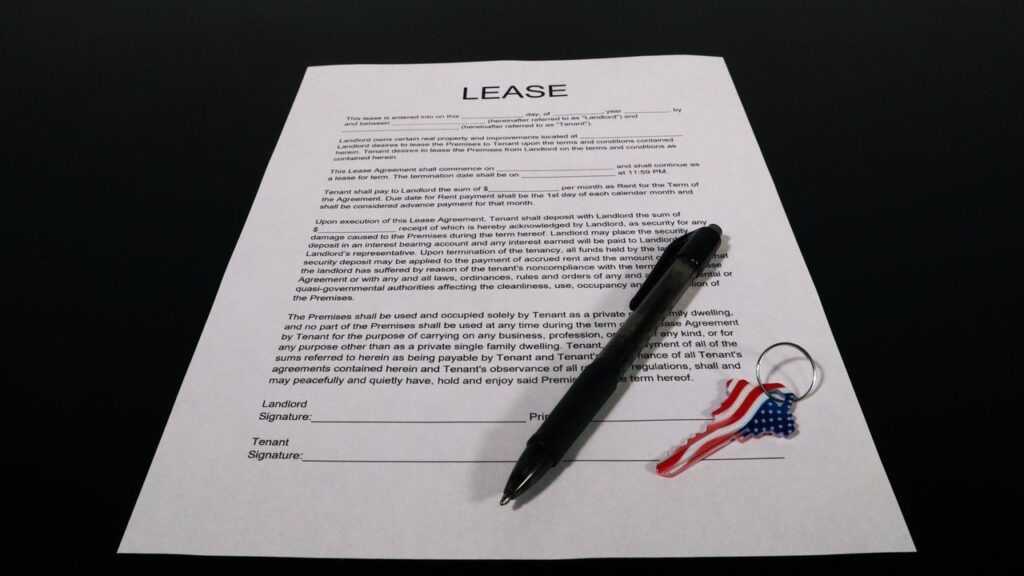
Signing your name on your first lease feels like a small, quiet milestone. Nobody warns you that the real work happens before you sign, not after. The excitement of picking paint colors and planning where the couch goes can make you skim right past the parts that actually matter.
A lease is a contract, not a formality, and once you sign it, you live inside its terms for a year or more. Slowing down now saves you a lot of frustration later, especially when something unexpected comes up and you have no idea where you stand.
The move-in costs nobody mentions upfront
You already know about the security deposit, but ask what else is due before you get the keys. Some places want first and last month together, plus a separate pet fee or an administrative charge you never saw coming. Ask for every number in writing before you commit to anything. If a landlord hesitates to spell it out clearly, treat that hesitation as information.
What counts as normal wear and what doesn’t
Every lease has language about the condition you’re expected to return the place in, and this is where deposits quietly disappear. Walk through with your landlord or property manager before you move in, and take your own photos of every room, every scuff, every stain that was already there. Date them. You want proof of what the place looked like before you touched it, because memory fades and paperwork doesn’t.
The clause about breaking the lease early
Life changes faster than a twelve-month lease sometimes allows. A relationship ends, a job moves you across the country, a roommate situation falls apart. Before you sign, find the section that explains what happens if you need out early. Some leases let you sublet, some charge a flat penalty, some hold you responsible for rent until a new tenant is found. Know which one you’re agreeing to now, not after you’re already stuck.
Who fixes what when something breaks
You deserve to know, in plain terms, who’s responsible when the water heater dies or the air conditioning stops working in August. Some leases put small repairs on you, with a dollar amount under which you’re expected to handle it yourself. Ask how repair requests actually get submitted and how quickly they’re typically handled. A landlord who answers this clearly and specifically is telling you something useful about how the rest of the relationship will go.
Guests, roommates, and the fine print on who can live there
Leases often limit how long a guest can stay before they’re considered an unauthorized occupant, and some restrict subletting entirely. If you think a partner might move in eventually, or you may need a roommate to help with rent down the line, ask about this now. Finding out after the fact that you’ve violated a rule you never read is a miserable way to learn a lesson.
The renewal terms hiding at the very end
Read the last page as carefully as the first one. Some leases automatically renew unless you give written notice a certain number of days ahead of time, and missing that window can lock you in for another full term. Others raise rent by a set amount at renewal with no negotiation involved. Knowing this before you sign means the renewal date never catches you off guard.
Your first lease doesn’t need to be intimidating, it just needs your full attention for one afternoon. Read every page, ask the awkward questions out loud, and keep a copy of everything you’re told in writing. The version of you moving in next year will be grateful you did the careful part now.