
A mortgage statement shows one number, but new federal housing data makes clear that the real monthly cost of owning a home is bigger than that figure suggests. Census Bureau survey data on American homeowners shows that upkeep spending varies enormously depending on a home’s age and how long someone has owned it, and housing experts have long urged buyers to budget separately for maintenance rather than assuming the mortgage payment covers the full picture, according to the Consumer Financial Protection Bureau.
That gap between the advertised payment and the actual cost of staying current on a house is exactly where many homeowners get squeezed, especially in the first years after closing.
What the Census Bureau’s housing survey found about upkeep costs
The 2021 American Housing Survey, analyzed by the Census Bureau, found that owners of older homes — those built before 1950, which made up about 17% of all owned homes — spent a median of $1,800 a year on upkeep, a category that includes both bigger improvement projects and routine maintenance like painting, plumbing repairs and roof work. When the Bureau isolated routine maintenance alone, without remodeling or improvement projects mixed in, the median spending for owners of older homes was around $540 a year. New owners mattered a lot here: people who had moved into an older home within the previous two years spent a median of $3,900 annually on total upkeep, compared with $1,500 a year for owners who had lived in their older home for at least a decade. As a share of home value, new owners spent a median of 1.5% annually, versus 0.6% for longtime owners. About 61% of owners of older homes started at least one home improvement project between 2019 and 2021, spending a median of $4,100 across those projects.
The 1-3% rule that housing experts use to set a maintenance budget
That spread between new and longtime owners lines up with long-standing guidance from extension housing economists. North Carolina State University’s Extension program recommends that homeowners set aside 1% to 3% of their home’s market value every year specifically for maintenance and repair, according to NC State Extension Publications. On a home valued at $300,000, that works out to somewhere between $3,000 and $9,000 a year, or roughly $250 to $750 a month, set aside whether or not it gets spent in that particular year. The point of the range isn’t that every homeowner spends that much annually; it’s that the money needs to exist somewhere, because the Census data shows spending is lumpy rather than steady. A furnace replacement or a new roof doesn’t wait for a convenient year in the budget.
Why the mortgage payment understates true housing affordability
This is the piece that a mortgage pre-approval letter doesn’t include. The CFPB’s guidance on the financial considerations of buying a home lists property taxes, homeowners insurance, utilities, and the cost of repairs and maintenance as separate obligations layered on top of the loan payment, and notes that several of these costs tend to rise over the life of a mortgage even when the payment itself stays fixed. A household that qualifies for a loan based on income and credit history can still end up financially stretched if it never built a separate line item for the water heater that fails in year four or the roof that needs replacing in year twelve. The CFPB specifically recommends building an emergency fund to cover these unexpected expenses rather than treating the mortgage approval as proof that the home is affordable on an ongoing basis. What are some of the financial considerations of buying a home? | Consumer Financial Protection Bureau
Turning a home inspection checklist into a maintenance budget
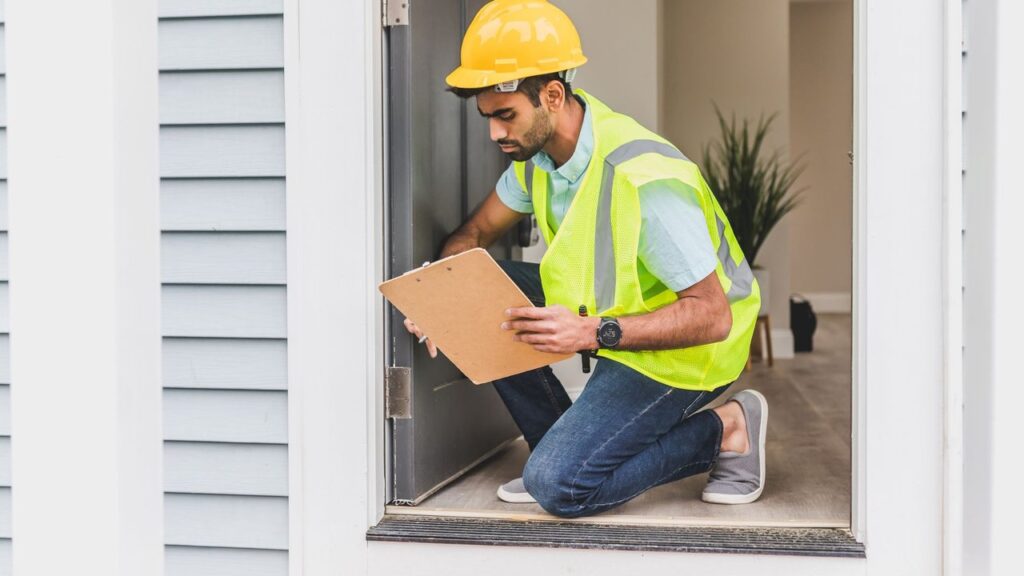
Because new owners in the Census data spent more than twice what longtime owners spent, the first two years in a home are worth planning around specifically rather than assuming costs will resemble whatever the previous owner paid. NC State Extension recommends inspecting the house at least every six months, and ideally every three months, working systematically from the foundation up. Foundations and exterior: check for cracked mortar, foundation moisture, and clearance between shrubs and the walls, and make sure gutters and downspouts are draining away from the house rather than pooling at the foundation. Heating and cooling: have the HVAC system serviced before each heating and cooling season, since skipping manufacturer-recommended servicing can void a warranty and lead to a costlier repair later. Plumbing: check faucet and toilet connections, drains, and the water heater’s pressure relief valve for leaks or rust. Electrical and safety systems: inspect cords and visible wiring for wear, test smoke alarms and carbon monoxide detectors monthly, and test for radon every two years. None of these are glamorous line items, but each one shows up in the Census data as a real category of spending, and catching a problem during a routine check is reliably cheaper than catching it after it becomes a failure. Preventative Home Maintenance | NC State Extension Publications
A more honest affordability calculation before signing
Before treating a mortgage pre-approval as the ceiling of what a home will cost, it’s worth running a second number alongside it: property taxes and insurance for that specific property, a realistic utility estimate, and 1% to 3% of the purchase price set aside annually for maintenance, with the higher end of that range used for the first couple of years in an older home. If that combined monthly figure still fits comfortably within the budget, the mortgage payment was a reasonable proxy for affordability. If it doesn’t, the house that looked affordable on a lender’s approval letter may not be affordable in practice — and that’s a distinction worth making before closing, not after the first unplanned repair bill arrives. Preventative Home Maintenance | NC State Extension Publications
Image Credit: RDNE Stock project — Pexels License / Pexels