
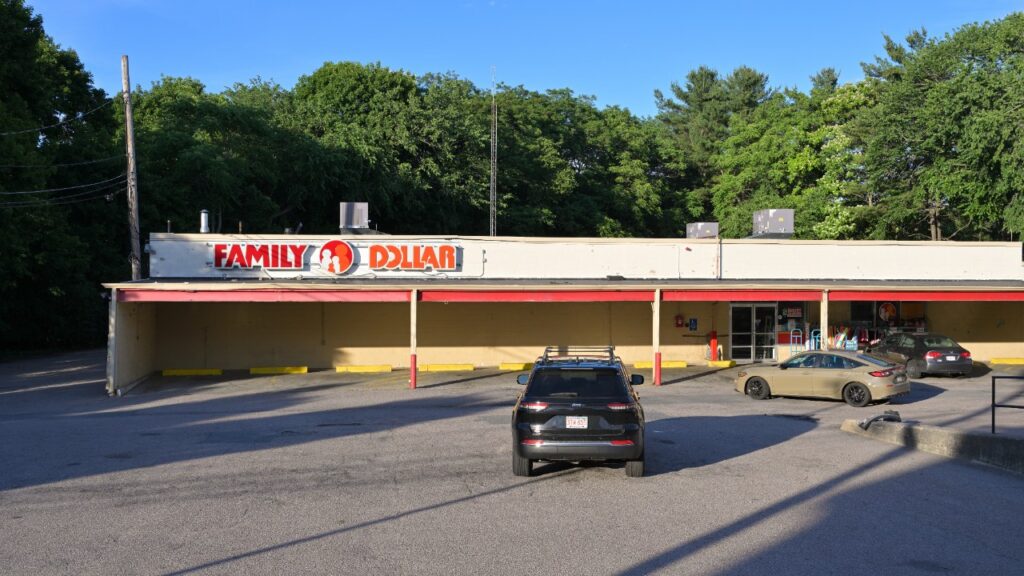
You scan the shelf tag. You do the quick math in your head. Then you walk to the register expecting the number you just saw. The total comes back higher instead. Most of us assume we did the math wrong. For years, at Family Dollar, you probably didn’t.
Federal regulators say the company charged customers more at checkout than the prices actually shown on shelves, tags, ads, its website and app, and its own Smart Coupons app. Now it’s paying for it.
What the settlement actually says happened
The Federal Trade Commission and 17 state partners reached a $63 million settlement with Family Dollar Stores over the register-overcharging practice. The gap between posted price and checkout price showed up across roughly six years. Regulators say it wasn’t a one-time glitch. It kept happening despite failed store inspections, repeated warnings, and hundreds of consumer complaints.
Where it hit hardest: the FTC specifically names communities with limited access to full-service grocers among those affected. Those are the exact shoppers with the fewest other options when the math doesn’t add up.
Where the $63 million is actually going
This isn’t a fine that disappears into a federal account with nothing to show for it. The order creates a $40 million consumer redress fund, meant to go back to shoppers who were overcharged. On top of that, there’s a $20 million discount program for customers. More than $3 million goes separately to the states that joined the case.
What “redress fund” means in practice: it’s money set aside specifically to repay people. It isn’t a penalty the company just absorbs and walks away from. How individual shoppers actually claim their share will come from the settlement administration, not from Family Dollar deciding who gets what.
The part meant to stop this from happening again
Beyond the money, Family Dollar now has to run a pricing-accuracy program every year. It has to be independently assessed and certified, not just self-reported. That’s the piece meant to outlast the settlement check. Someone outside the company now has to confirm, annually, that the shelf price and the register price actually match.
What the FTC itself said about it
Christopher Mufarrige, director of the FTC’s Bureau of Consumer Protection, put it plainly: “Today’s order will ensure Family Dollar stops deceiving consumers about its prices.” That’s not a hedge, and it’s not procedural language. It’s the agency naming the practice as deception, not an accounting error.
Why this looks like two other wins this account has tracked
If the shape of this story feels familiar, it should. A group of shoppers owed money they probably don’t know about is the same mechanism behind two of the biggest settlements this site has covered — a multi-state action against GOAT and a separate case against Shein. The pattern repeats because it’s common. A company undercharges on disclosure and overcharges at the register. Years pass before regulators catch up and claw some of it back.
Dollar General is also facing a separate, still-pending FTC lawsuit over similar register-overcharging allegations. That case hasn’t resolved yet. This Family Dollar settlement is a different company, with an actual finalized order and a real redress fund already built.
What this does, and doesn’t, mean for you right now
This is reporting on what changed, not advice about what to do with your own money. Nobody’s filing has made Family Dollar’s prices perfect going forward. Nobody’s refund check has shipped yet either. What’s real today is the order itself. The redress fund exists. The discount program exists. The annual pricing audit is now a requirement instead of a suggestion.
If you try one thing with this story: start checking your Family Dollar receipt against the shelf tag for a few trips, the same way you might after any retailer gets caught doing this. It costs you nothing. It’s exactly the habit that would have caught this years sooner.