If you live anywhere near a small West Virginia hospital, you’ve probably noticed something. Its survival usually comes down to money nobody in Washington is paying attention to. This week, a little more of that money landed, and the senator who helped write the check wanted you to know it.
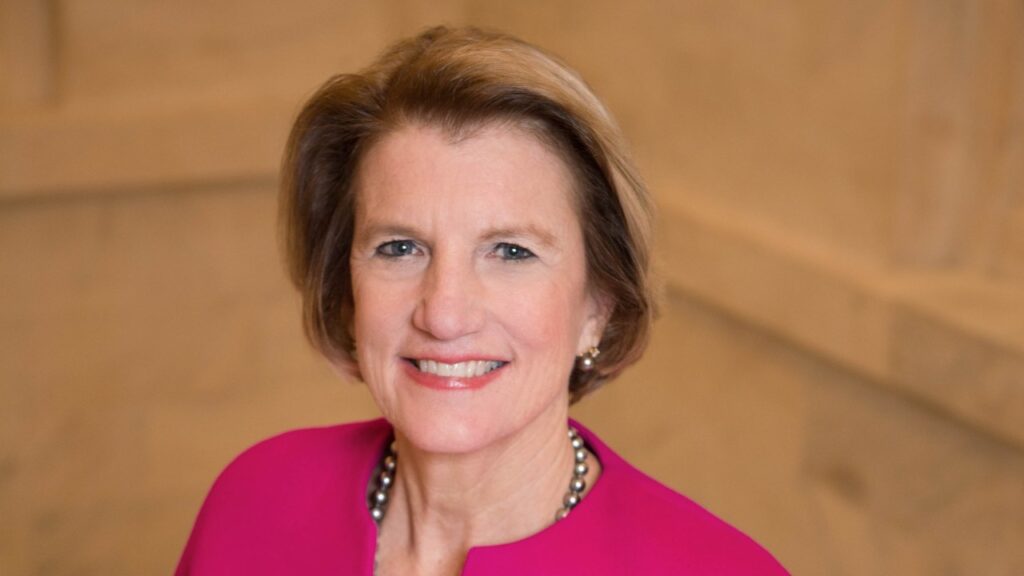
Sen. Shelley Moore Capito (R-WV) announced an additional $202 million awarded to West Virginia through the federal Rural Health Transformation Program. Her statement read as personal, not procedural: “I am pleased to see an additional $202 million in funding for West Virginia awarded through the Rural Health Transformation Program. I was proud to help shape this program from the start and to support the Working Families Tax Cuts Act that made this funding possible.”
What the Rural Health Transformation Program actually is
The program is a $50 billion, five-year federal initiative built around one problem: rural health care gets harder to fund once a hospital’s patient base is spread across three counties instead of three square miles. States don’t just apply and wait for a check. The money splits two ways. Half is divided equally among every participating state. The other half is awarded by performance — a state has to show its rural health outcomes are actually improving to pull in the bigger share.
That structure matters. West Virginia isn’t getting a flat handout here. It’s getting money that’s at least partly tied to results.
Why this keeps landing in West Virginia specifically
Few states have more riding on a program shaped this way. West Virginia’s hospitals skew rural, its population skews older, and the gap between “nearest hospital” and “nearest specialist” can run an hour or more in some counties. A program built around rural health outcomes was always going to matter more here than most places. It’s the difference between a maternity ward staying open in a county seat and a family driving 45 minutes for a delivery instead.
Capito’s role, in her own words
Capito didn’t just announce the money. She tied it directly to her own record, saying she helped “shape this program from the start” and crediting the Working Families Tax Cuts Act as the law that made the funding possible in the first place. That’s a direct, on-the-record claim about her own legislative work. It’s worth reading exactly as she said it, not summarized into something softer or vaguer.
What the two-year total actually adds up to
With this latest award, West Virginia’s total under the program now tops $401 million across two years. That’s not a one-time grant. It’s a running account that keeps getting added to, which is the whole point of a five-year initiative instead of a single appropriation. If you’re trying to tell whether rural health funding is a real, sustained commitment or just a one-time headline, the two-year number is the more honest way to check than any single announcement by itself.
What that money quietly protects
What it doesn’t make headlines for: keeping a rural ER staffed, a labor-and-delivery unit open, a clinic running in a county that would otherwise be a long drive from the nearest one. None of that gets covered the way a hospital closing does — but it’s the exact same money that decides whether a closing happens at all.
For a lot of West Virginia families, whether this $202 million actually mattered won’t show up in a headline next year. It’ll show up in whether the hospital closest to them is still open when they need it.
You don’t have to track every federal program by name to feel the effect of one that’s actually working. If the ER wait is the same as it was last year, if the labor-and-delivery unit two towns over hasn’t quietly closed its doors — that’s this kind of money doing its job, even when nobody’s handing out a press release for it.