
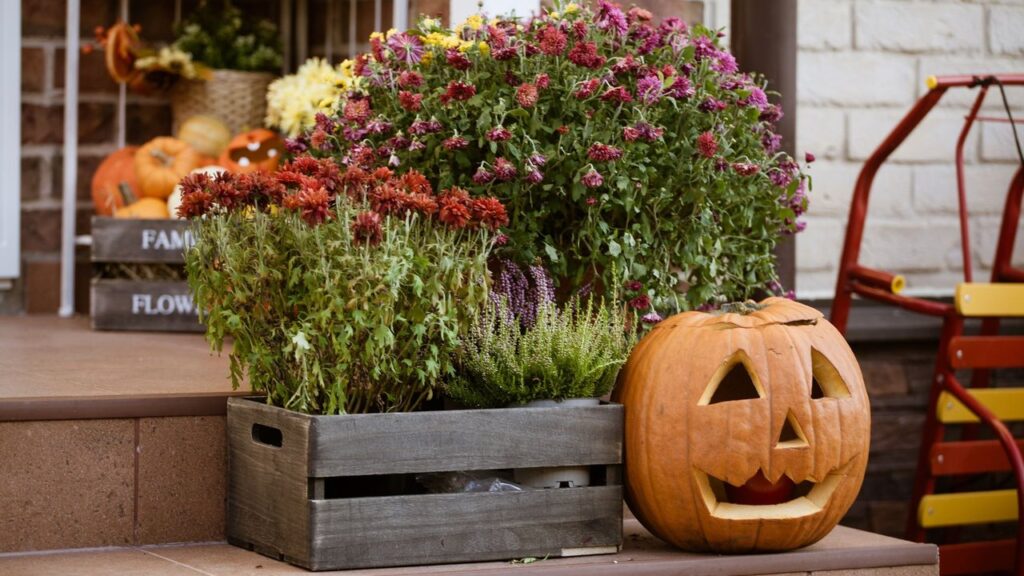
When the trick-or-treaters are gone and the jack-o’-lantern on your porch starts to cave in on itself, you don’t have to let it sit there collecting mold and flies until Thanksgiving. According to the U.S. Fish and Wildlife Service, the better move is to compost it, recycle it, or find it a second purpose — and to do that with wildlife in mind, since a pumpkin left outside is almost guaranteed to attract hungry visitors.
Why that slumping pumpkin is a wildlife magnet whether you plan for it or not
The porch pumpkin and the critters who find it first
The Fish and Wildlife Service points out something most families never think about on October 31: squirrels, raccoons, deer, moose, foxes, mice and insects will almost certainly nibble on a carved pumpkin left outdoors. That’s not a sign anything went wrong — it’s just what happens when a soft, sugary gourd sits at ground level near a yard or a wooded edge. Decomposition itself is also unavoidable. The agency notes that despite the social media tricks for extending a jack-o’-lantern’s life, letting nature take its course is usually the simplest approach, and any product applied to slow the process should be used exactly as directed, both for your safety and for any animal that might come into contact with it afterward. How to Keep Pumpkins Safe for Wildlife | U.S. Fish & Wildlife Service
Why a painted pumpkin needs a different plan than a carved one
If your family went the no-mess route this year and painted a pumpkin instead of carving it, that pumpkin should not end up outside once Halloween is over. The Fish and Wildlife Service is specific on this point: a painted pumpkin can be toxic to wildlife if an animal eats it, so a painted jack-o’-lantern belongs indoors, away from the animals a carved one would otherwise feed safely. If painting is part of your family’s tradition, the agency suggests looking for nontoxic, naturally based paints when they’re available, and always following the product’s own instructions. A carved, unpainted pumpkin doesn’t carry that same risk — wildlife eating the plain orange flesh is expected and fine — which makes the carve-versus-paint choice worth making consciously if you know the pumpkin will end up outdoors afterward. How to Keep Pumpkins Safe for Wildlife | U.S. Fish & Wildlife Service
Composting and municipal recycling instead of the curb
Once the festivities are done, the Fish and Wildlife Service recommends composting or recycling rather than bagging a pumpkin for landfill trash. A backyard compost pile is the most direct option if your family already has one — the pumpkin breaks down along with other yard and kitchen scraps. If composting at home isn’t realistic, many cities, counties and local nonprofits run seasonal pumpkin collection or composting drop-off programs each fall, and the agency suggests checking what’s available in your own community rather than assuming none exists. This is a reasonable one to turn into a short family errand: loading the deflating pumpkin into the car and driving it to a drop-off site gives kids a concrete, visible answer to where the pumpkin actually goes, instead of it just vanishing into a trash bag. How to Keep Pumpkins Safe for Wildlife | U.S. Fish & Wildlife Service
Giving the pumpkin a second life before it goes
Before composting, some families can get more mileage out of a pumpkin. The Fish and Wildlife Service notes that zoos and animal rescue centers in some areas will accept pumpkins as enrichment for the animals in their care, as long as the pumpkin hasn’t been painted or treated with chemicals — worth a quick call to a local facility before assuming it’s an option. Pumpkin seeds are another piece worth not wasting; they can be eaten by people or by wildlife, so scooping and saving seeds before the pumpkin goes outside or into the compost is a small step that avoids tossing out something still useful. How to Keep Pumpkins Safe for Wildlife | U.S. Fish & Wildlife Service
If you’re looking for a project to stretch this into next Halloween, the agency also offers free wildlife-themed carving templates, including a set of fish designs, which is a low-effort way to fold a conservation conversation into next year’s carving night rather than treating the pumpkin as disposable from the start. How to Keep Pumpkins Safe for Wildlife | U.S. Fish & Wildlife Service
The decision that actually matters here isn’t complicated: a plain carved pumpkin can safely become wildlife’s problem to finish off outside, a painted one should never go outside at all, and either way, composting or a local drop-off program beats letting it rot on the porch step or landing in a landfill bag. Pick the path based on whether your pumpkin is painted, whether your city collects them, and whether a local shelter or zoo happens to want it — and you’ve handled the whole thing responsibly before the first frost.
Image Credit: Sergey Platonov — Pexels License / Pexels