
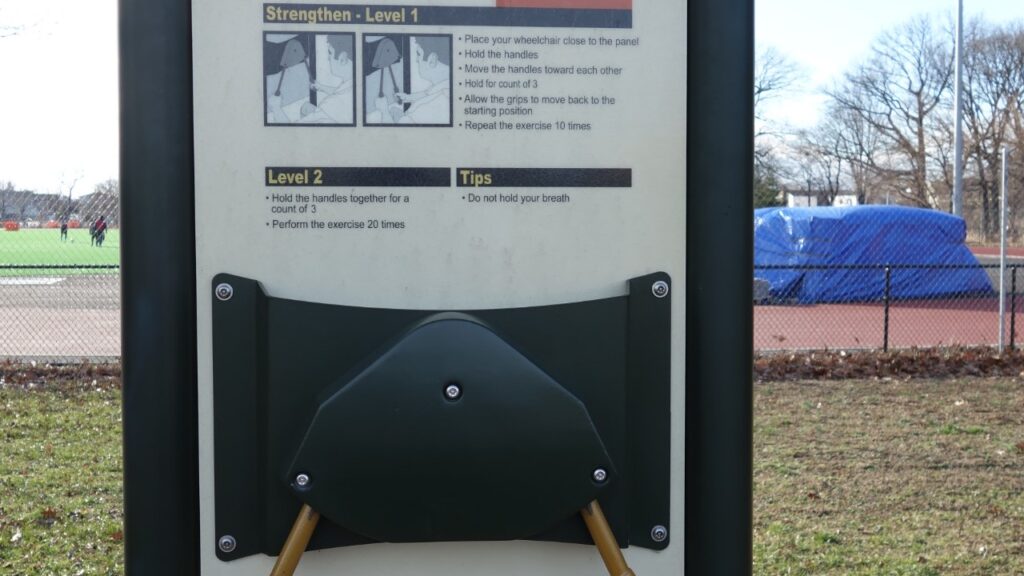
You’ve probably walked past the one accessible machine in a crowded gym without thinking twice about who it’s for or whether there’s actually enough of it to go around. A new industry study put a number on exactly that gap, and the number is bigger than most gyms seem to realize.
What the study found
A white paper commissioned by Pulse Fitness — a U.K.-based maker of inclusive fitness equipment that opened a U.S. office last year — and prepared by research firm Datagonist, estimates that U.S. adults with disabilities and their households spend about $24 billion a year on fitness memberships and services, according to Athletech News’s report on the findings, published November 10. A further $7.2 billion of that comes specifically from more frequent exercisers within that group.
The research draws on a survey of 2,500 U.S. adults, plus published research and interviews with gym operators and fitness practitioners.
The numbers that actually surprised the researchers
People with disabilities aren’t exercising less. Among adults who work out at least weekly, 55% of those with disabilities use an in-person gym or facility weekly, compared to 43% of those without. And 32% work with a trainer or coach weekly, versus 18% of adults without disabilities.
That’s the opposite of the assumption a lot of gyms seem to be operating on — that this is a small, low-engagement group not worth building for. The people already exercising are doing it at a higher rate and paying for more guided support than the general membership base.
Why most gyms are still missing it
The report names three recurring obstacles: inaccessible equipment, crowded gym floors, and staff who aren’t trained to work with a range of physical abilities. None of those is a dramatic failure — they’re the kind of small frictions that add up to someone quietly choosing a different gym, or no gym at all.
Datagonist principal Melissa Rodriguez summed up the disconnect directly: “For most facilities, this opportunity is already in the neighborhood.” In other words, the members are often already local — the facility just isn’t built to keep them.
What “Universal Design” actually means here
The report’s recommendation isn’t a separate accessible room or a specially-marked machine off to the side. It’s designing equipment and layouts that work for people of varying abilities by default — a Universal Design approach, the same principle behind curb cuts that help wheelchair users and parents pushing strollers alike.
Pulse Fitness’s own president of U.S. and global development, Jamie Burton, tied that principle back to the company’s history: “Making fitness more accessible has been central to Pulse Fitness since we engineered our first inclusive equipment in 1997.” That’s nearly three decades of a company betting on a market most gyms are only now being shown the size of.
This isn’t a workout plan, and it isn’t medical advice
Nothing about this study tells you what exercise to do or what any individual gym-goer should change about their own routine — it’s market research about spending and gym habits, not a fitness or health recommendation. If you have a disability and you’re trying to figure out what kind of movement is right for your own body, that’s a conversation for you and a qualified professional, not a market-research white paper.
Why this is worth noticing even if it doesn’t apply to you directly
A $24 billion market that most gyms are structurally underserving isn’t just a disability-advocacy talking point — it’s a real business case, with real dollar figures, for why the gym down the street might be worth asking about its equipment and training before you renew a membership, for yourself or for someone you’re helping choose one.
You don’t need to run the numbers yourself to get the point: the demand was already there. What’s been missing is a facility actually built to meet it.