
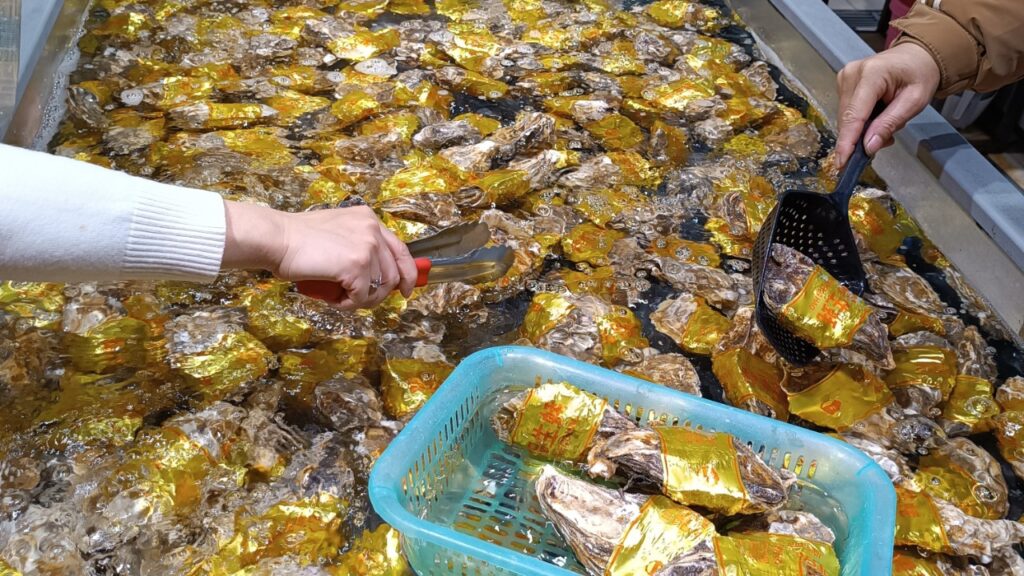
You trust raw oysters the same way you trust any food that’s supposed to arrive already handled correctly — you don’t cook away a problem, so you’re relying on the harvest being clean before it ever reaches the counter. That’s exactly the trust a federal outbreak investigation is asking you to pause on tonight, tied to oysters from one specific Virginia grower.
What CDC is tracking
The Centers for Disease Control and Prevention’s outbreak investigation page, last updated October 30, traces a Salmonella outbreak to raw oysters harvested by Little Wicomico Oyster Company from the Little Wicomico River harvest area in Virginia. As of that update, 28 people across 13 states have gotten sick, and 5 have been hospitalized. No deaths have been reported.
Illness onset dates run from late May through early October — a long window, which is part of why health officials are still working to confirm the full scope rather than calling the investigation closed.
What to actually check in your own kitchen
If you bought raw oysters from this grower and they’re still in your refrigerator or freezer, don’t eat them. The Virginia Department of Health’s recall notice covers Little Wicomico Oyster Company shellstock harvested September 18 through October 8 and sent to dealers across 15 states, including Virginia, Maryland, New York, Pennsylvania, Texas, and Florida. If you find any, don’t eat it, serve it, or sell it — throw it away or return it, and wash any surfaces or containers it touched with hot, soapy water.
If you’re genuinely unsure where a bag of oysters in your freezer came from, that’s a question for whoever sold them to you — a fish counter or seafood supplier should be able to tell you the harvest source on request, and that’s worth asking rather than guessing.
Why this isn’t a reason to swear off oysters generally
This outbreak traces to one grower, one harvest area, one state. CDC’s investigation also found two other Salmonella strains in Virginia oyster samples and a third in oysters tested by Pennsylvania officials — and none of those matched the outbreak strain, which is exactly the kind of checking that keeps a narrow problem from getting mistaken for a broader one.
As of Virginia’s own November 16 update, the Little Wicomico River harvest area is still closed — the state extended the closure past its original 30 days after a fresh round of samples in early November came back positive again. Reopening requires three consecutive clean rounds of testing, which is the normal, careful process behind “not available right now” rather than “contaminated forever.”
Why raw shellfish carries this risk in the first place
Oysters filter water to feed, which means anything in that water — including Salmonella from runoff or contamination — can end up concentrated inside them. Cooking kills it. Eating them raw, which is the entire point for a lot of people, doesn’t.
That’s not a knock on raw oysters as a food. It’s the reason outbreaks like this one get traced grower by grower, harvest area by harvest area, instead of blamed on “oysters” as a category.
Who actually needs to act on this tonight
If you haven’t bought raw oysters recently, or you know your supplier’s source doesn’t match Little Wicomico, this is a five-second scroll past. The risk here is specific, not a general seafood scare.
If you’ve eaten raw oysters recently, Virginia’s own guidance names the symptoms worth calling a doctor over: diarrhea with a fever above 102°F, diarrhea lasting more than two days without improving, bloody diarrhea, vomiting that won’t let you keep liquids down, or signs of dehydration. Children under one, adults 65 and older, and anyone with a weakened immune system face the highest risk from this kind of infection — CDC’s own guidance on raw oyster risk is where that higher-risk breakdown comes from, and it applies to raw shellfish generally, not just this one outbreak.
One grower’s harvest area doesn’t put the whole raw bar on notice. It puts one supply chain on pause while the people whose job this is figure out exactly where it went wrong — and five minutes checking your own freezer is the only homework this particular outbreak actually requires of you.