
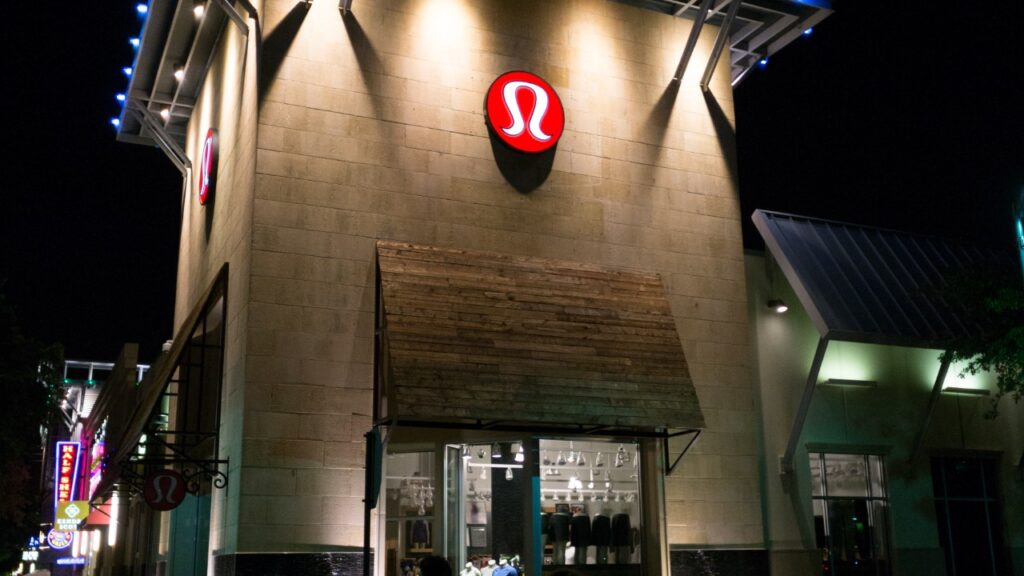
That drawer full of Lululemon leggings you own probably has a story attached to it now — you likely remember last year’s headlines about “forever chemicals” in activewear. You may have wondered if your own leggings were part of it. Texas just closed its months-long investigation into whether Lululemon misled shoppers about PFAS in its clothes, and you deserve the real outcome, not just the headline.
What Texas was actually investigating
Attorney General Ken Paxton’s office wanted to know whether Lululemon’s marketing claims about its fabrics held up. The focus was PFAS — synthetic chemicals used for water- and stain-resistant coatings, nicknamed “forever chemicals” because they don’t break down easily, in the environment or, by some research, in your body.
The concern wasn’t that your leggings are dangerous to wear. It was narrower: whether a company telling you its products met a certain standard was actually telling you the truth.
How it was resolved
The investigation closed with no lawsuit and no finding that Lululemon broke consumer-protection law. Lululemon, for its part, has stood by its fabric testing throughout the inquiry and continues to stand by its public safety statements.
A closed investigation isn’t the same as a clean bill of health forever. It means Texas didn’t find enough, on the evidence it reviewed, to proceed. Those are two different things, and you’re allowed to hold both at once.
Where the forever-chemicals concern came from
PFAS in performance fabrics isn’t unique to Lululemon. Independent lab testing over the past few years has found PFAS in activewear across multiple brands. That’s part of why this became a category-wide conversation, not a single-company scandal.
The whole industry has been moving away from PFAS treatments, pushed by state-level textile bans and by customers like you asking harder questions at checkout. Lululemon has said publicly it’s been phasing PFAS out of its own supply chain.
What this means for what’s already in your closet
You don’t need to clear out your existing leggings over this news. The health risk from wearing a garment that once had a PFAS coating is a different, much smaller question than whether a company described its products accurately — and that’s the question Texas was actually answering.
If you want to be cautious anyway: look for newer product lines labeled PFAS-free, which several brands including Lululemon now offer. Treat that label the way you’d treat any other ingredient claim on your clothes — worth a glance, not worth losing sleep over.
What’s still worth watching
This investigation closing in Texas doesn’t settle the bigger question nationally. Other states and advocacy groups keep pushing for stricter textile PFAS rules, and that pressure keeps building no matter how one state’s inquiry ended.
If this matters to you, the more useful habit is checking a brand’s own PFAS disclosure on new purchases. That beats waiting for the next investigation to tell you what to think about what’s already in your drawer.
What other brands are doing
Lululemon isn’t alone in facing this question, and it isn’t alone in responding to it either. Several major activewear brands have announced their own PFAS phase-out timelines over the past two years, pushed by the same mix of state rules and customer pressure.
If you shop across multiple brands, you’ll likely see more “PFAS-free” labeling show up on tags and product pages over the next year or two. That’s the industry catching up to a question you may have been asking for a while already.
The real takeaway here
A closed investigation is good news for Lululemon. It’s not really a verdict on “forever chemicals” in activewear, one way or the other. Texas answered a narrow legal question about marketing claims, not a broad scientific one about fabric safety.
Keep that distinction straight the next time a brand in your closet shows up in a headline like this one. The company avoiding a lawsuit and the chemistry being fully settled are two different things, and you can care about both without mixing them up.
Your leggings are exactly as safe this week as they were last week. What changed is that one state looked closely and decided it didn’t have a case — not that the question about forever chemicals in what you wear every day has been answered for good.