
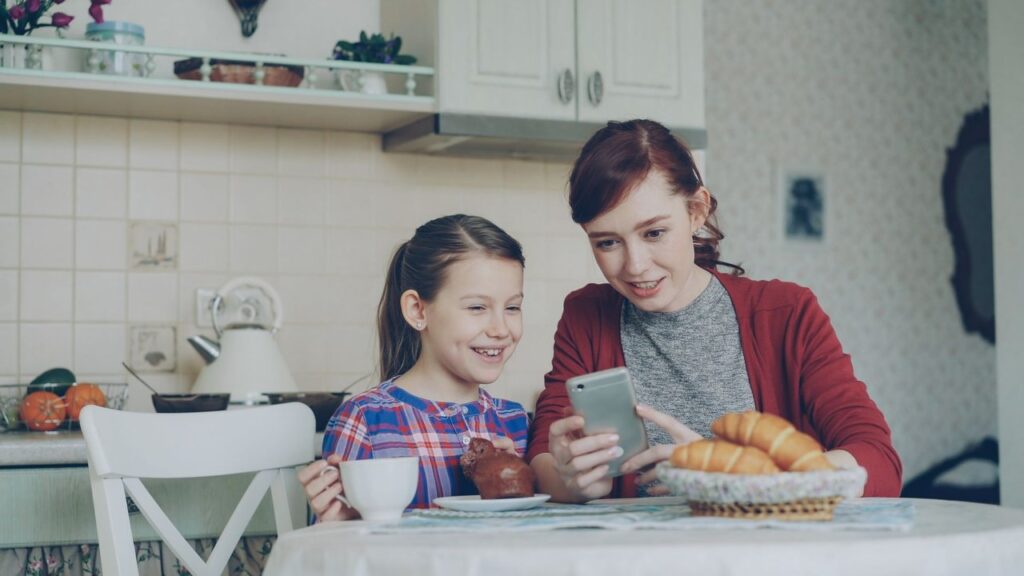
Your daughter texts you a meme instead of calling on Sunday. Your son likes your post but hasn’t picked up the phone in weeks. If that stings, you’re not imagining the shift — the way younger adults show up for family has genuinely changed, and most of them would tell you it isn’t about love at all.
You grew up with a certain shape for closeness: weekly calls, holiday obligations, showing up because that’s what family does. For a lot of younger adults now, closeness looks more like constant small check-ins — a voice memo, a shared playlist, a meme that says “this made me think of you” without needing a reply. It’s less formal, less scheduled, and honestly, less visible to you if you’re only watching for the old signals.
Why the old check-in schedule stopped working
You might remember family contact as something with a rhythm — Sunday dinner, the Friday call, the birthday visit you never missed. That rhythm made sense when everyone lived closer and phones were for talking. Now your kids are scattered across time zones, juggling jobs that don’t clock out at five, and talking on the phone feels almost like an imposition to them in a way it never did to you. They’re not avoiding you. They’re avoiding a format that feels heavy when a quick message feels lighter and just as real to them.
What they mean by “staying close”
Ask a younger relative what makes them feel connected to family, and you’ll probably hear something that sounds small to you: being able to text at 2 a.m. without judgment, knowing you’ll laugh at the same stupid video, feeling like you actually see who they are now instead of who they used to be. They care less about frequency and more about whether the contact feels honest. A single real conversation means more to them than four polite ones.
The guilt trip that backfires
It’s tempting to say something like “you never call anymore” and hope it lands as a wake-up call. More often it lands as pressure, and pressure pushes people away instead of pulling them close. If you want more from them, try asking for something specific and small — a ten-minute call on a day that works for them, a standing weekly text thread — instead of a vague complaint about effort. Specific asks are easier to say yes to than general disappointment.
Meeting them where they actually are
You don’t have to adopt every habit of a twenty-five-year-old to stay in their life. You do have to accept that the method matters less than the attempt. If your daughter responds fastest to a quick message, send the message instead of waiting for a call that may not come. If your son opens up more easily while doing something side by side — driving, cooking, walking — plan around that instead of forcing a sit-down talk. Flexibility isn’t surrender. It’s just recognizing that connection has more than one entry point now.
What this is actually costing you, and what it isn’t
You’re allowed to miss the version of closeness you had with your own parents or grandparents. That loss is real, and it doesn’t make you old-fashioned to feel it. But the quieter, more constant version of contact younger adults offer isn’t a lesser form of love — it’s just a different currency. A meme sent at midnight can carry as much “I’m thinking of you” as a phone call used to. The relationship isn’t thinner. It’s just speaking a dialect you’re still learning.
Give yourself permission to feel both things at once — a little wistful for what used to be, and genuinely glad for the relationship you still have, even if it shows up in your messages instead of on your caller ID. The closeness hasn’t left your family. It just changed its address.