
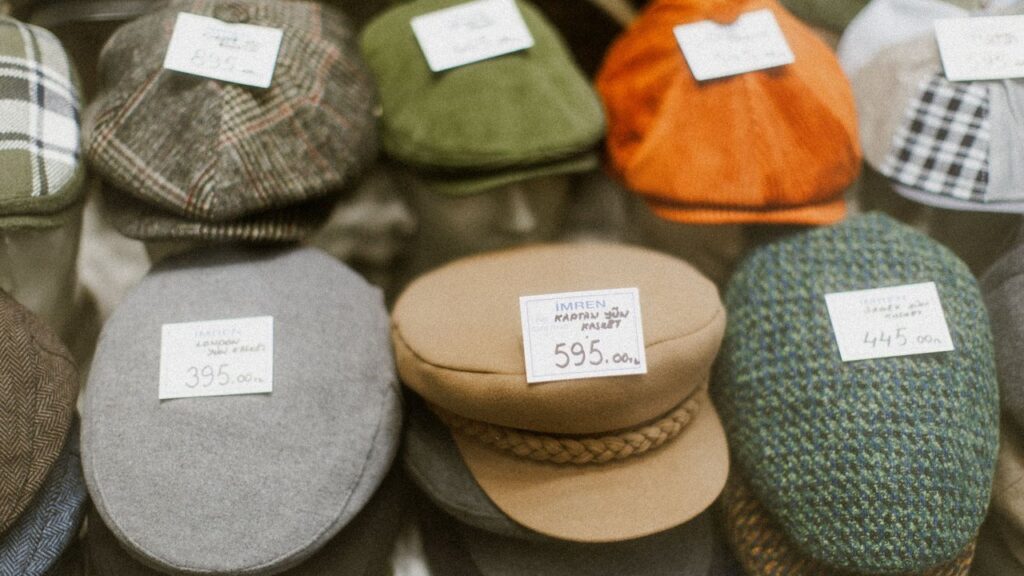
Open any photo album from the 1950s and almost every man on the street is wearing a hat. Open one from a decade later and the hats are mostly gone, except maybe on your grandfather at church. You have probably noticed this shift without ever stopping to ask why it happened so fast. The honest answer is that no single thing killed the hat — a handful of ordinary changes in daily life quietly made it optional, then old-fashioned, then gone.
The car seat that squashed the hat habit
Think about how you actually sit in a car. Low seat, low roofline, a hat brim catching on the headliner every time you duck in or out. As more households owned a car and used it for everyday errands instead of walking or taking a tram, that small daily friction added up. A hat that looked sharp on a sidewalk became a nuisance the moment you slid behind the wheel. You stop wearing something the instant it gets in your own way, and that is exactly what cars did to hats.
When houses got warm, hats got optional
A hat used to do real work. It kept your head warm on a walk to the office, the market, or the train platform, in houses and workplaces that were often drafty and underheated. Once central heating spread into more homes, offices, and shops, you no longer stepped from a cold hallway straight into a cold street. The practical reason for grabbing a hat on your way out the door quietly disappeared. What was once a necessity turned into a styling choice, and styling choices are the first things people drop when they are in a hurry.
The haircut that made the hat feel unnecessary
Then there is the hair itself. For decades, a hat was partly a way to manage a head of hair that was cut short and kept tidy underneath it. When younger men started growing their hair longer and let it move, a look the Beatles made enormously popular with young audiences, a hat suddenly fought against the haircut instead of finishing it. You cannot really flatten a shaggy, deliberately messy style under a felt brim without ruining the whole point of it. Once the hair became the statement, the hat became the thing hiding it.
Why some hats never really left
None of this means hats vanished completely, and you already know that if you have ever worn one to a wedding, a funeral, or a day at the races. What disappeared was the hat as a daily, automatic habit, the thing you put on simply because that is what a dressed adult did before leaving the house. The occasion hat survived because it still does a job: it marks a moment as special. The everyday hat lost its job when cars, warm buildings, and looser hair quietly took over the things it used to be for.
So if you have ever felt a small pang looking at those old street photos, full of hats, wishing people still dressed that way, it helps to remember what you would be signing up for underneath it. You would also be signing up for drafty rooms, stiffer cars, and hair cut close enough to disappear under a brim. The hat did not get abandoned out of carelessness. It got replaced by comfort, and comfort rarely loses.