
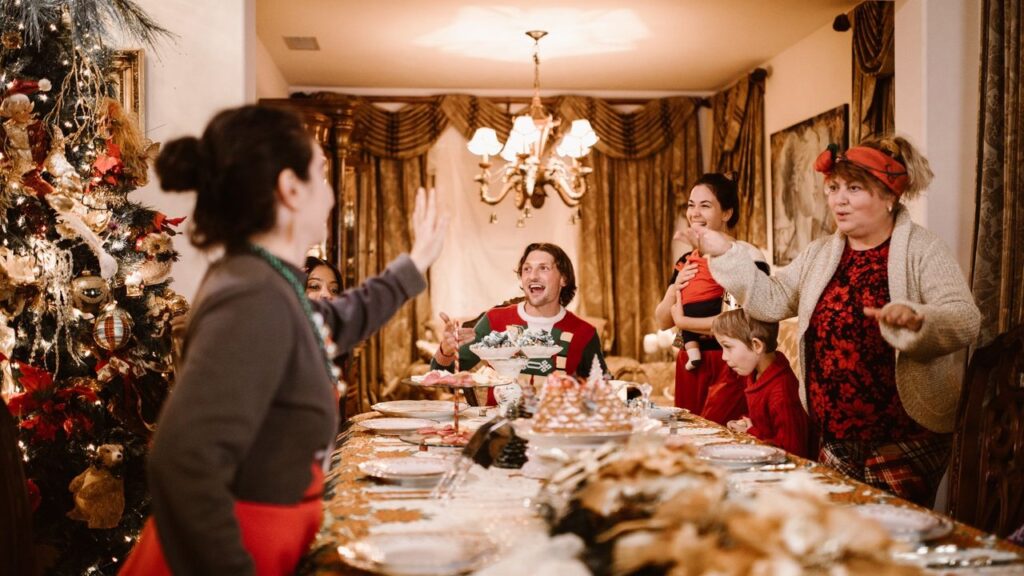
Something has shifted at the holiday table, and it has nothing to do with the menu. Younger adults are walking into the season with different expectations than the ones their parents carried in. If you have noticed your twenty-something relatives doing things their own way this year, you are not imagining it.
None of this means Gen Z loves the holidays less. It means they are rebuilding the season around what actually feels good, instead of what used to be automatic.
Gift-giving looks different now
Fewer gifts, more intention: instead of a pile of presents under the tree, you are more likely to see a single thoughtful item or a shared experience. Group gifting over individual shopping: cousins and siblings are pooling money for one meaningful gift rather than everyone buying separately. The old obligation to have something wrapped for every single relative is quietly fading, and nobody at the table seems to mind.
The travel calculus has changed
Staying local instead of flying home: many younger adults are choosing to host where they already live, or simply opting out of the holiday travel grind entirely. If you have a grown child who stayed put this year instead of booking a flight, it is rarely about distance from you. It is about protecting their energy for a season that used to leave them exhausted before it even started.
Boundaries at the table
Saying no to political debates: you will hear a lot more “let’s not go there today” than you used to, and it is coming from a real place, not rudeness. Skipping obligations that feel hollow: if a tradition no longer means anything to them personally, they are letting it go rather than performing it out of guilt. This can sting if you built your own holidays around certain rituals, but it usually says more about what they need than what they think of you.
How the day actually gets spent
Protecting downtime on purpose: a quiet morning alone before the gathering, or a day fully off the calendar afterward, is becoming part of the plan rather than an afterthought. Keeping in touch differently: a running group chat full of photos and jokes has replaced some of the long phone calls that used to carry the relationship between visits. The connection is still there. It just moves through a different channel now, and it happens more often in smaller bursts instead of one big yearly check-in.
Who’s actually in the room
Smaller, more intimate gatherings: instead of one massive extended-family event, you are seeing more small dinners with the people someone actually wants to sit with. Making room for chosen family: close friends, partners, and even coworkers are getting seats at the table alongside blood relatives, sometimes in place of them. If your adult child’s holiday guest list looks different than the one you grew up with, it is not a rejection of the family you built. It is an expansion of what family means to them.
If you are the parent watching all of this unfold, try not to read distance into every changed tradition. What looks like less effort is often more honesty about what actually feels good to them. The holidays you remember were shaped by what your own parents expected of you, and this new version is simply doing the same work in reverse. Give it room to look different, and you may find it still feels like the same love underneath.