
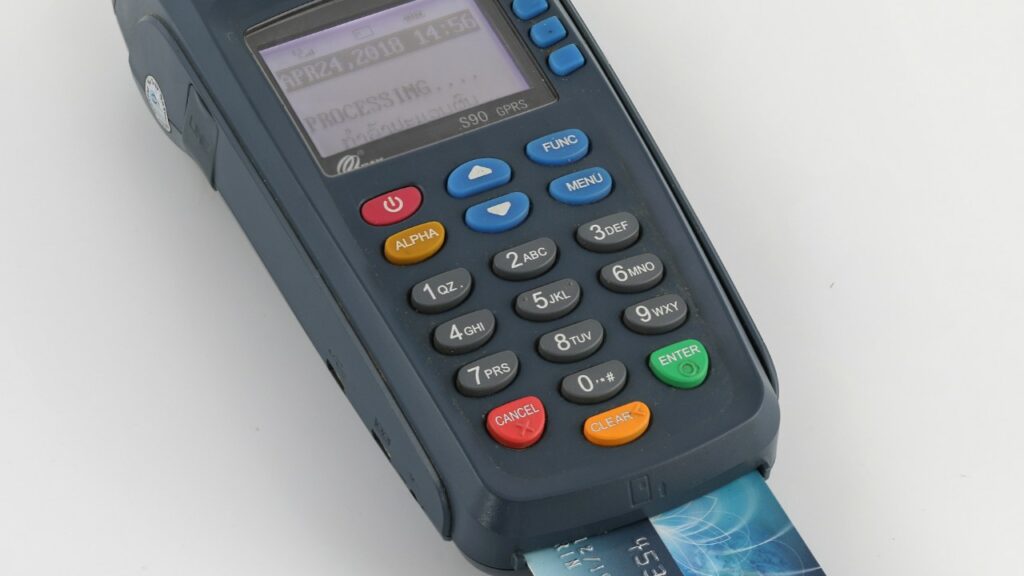
You’ve probably heard a sales pitch like it if you’ve ever run a bakery stand, a food truck, or a little café out of a strip mall: free hardware, no catch, just sign up and start taking cards. Federal regulators say that pitch, from one of the biggest names in restaurant payment systems, wasn’t what it looked like. Here’s what the government is actually claiming, and what it isn’t saying yet.
Nothing here has been proven in court. A lawsuit is an accusation, not a verdict, and the company has not been found to have done anything wrong by a judge or jury.
What the FTC says actually happened
According to the Federal Trade Commission’s own announcement, the agency and eight state attorneys general filed a joint lawsuit against Toast Inc. It’s the restaurant point-of-sale and payment company whose screens and card readers you’ve probably tapped a card against without thinking twice.
The core allegation: Toast advertised “$0” hardware to win over small restaurant owners. Then, regulators say, it locked many of them into hidden fees, subscriptions that were hard to even notice signing up for, and cancellation processes designed to keep the money coming after an owner wanted out.
If you’ve ever signed up for something “free” and felt a small knot of doubt about what the actual cost would turn out to be, that instinct is the whole shape of this case.
The “$0 hardware” pitch, and what came after it
The free-equipment offer is where the complaint starts. A restaurant owner gets a card reader and a point-of-sale terminal at no upfront cost — a real draw for anyone opening a business on a thin margin.
What regulators say followed is the part that turns a generous offer into a federal case. Fees the complaint describes as hidden. Subscription charges layered on without clear disclosure. A cancellation process that made leaving harder than signing up had been.
You don’t need to run a restaurant to recognize the pattern. It’s the same bait a lot of “free” service offers run on. The free part is real. So is the bill that shows up once you’re already locked in.
The customer-support claim the FTC is also challenging
Beyond the fees, the FTC’s filing also challenges claims the company made about round-the-clock customer support — support regulators say wasn’t actually available the way it was advertised.
For a small business owner, that’s not a cosmetic detail. If your card reader goes down on a Saturday night rush, “support available 24/7” is the difference between a ten-minute phone call and a night of turning away paying customers.
A support promise that doesn’t hold up isn’t just an inconvenience in a case like this — it’s part of what regulators say made the whole package look safer and more complete than it actually was.
Why eight states joined the federal case
Eight state attorneys general co-filed alongside the FTC, not just one agency acting alone. That number matters. Each of those offices had to independently look at complaints from its own residents and decide the pattern was worth its own resources to pursue.
This isn’t a single disgruntled customer or one bad review thread. It’s eight separate state offices, plus the federal government, reaching for the same conclusion at roughly the same time. That’s usually a sign the complaints behind a case like this weren’t contained to one region or one unlucky batch of customers.
Why this looks familiar if you’ve read a story like it here before
If the shape of this sounds like something you’ve read about before, it’s because it is. A payment processor’s advertised deal turning into a locked-in cost is a pattern regulators have gone after before, with other companies in this exact industry. Small businesses get drawn in by a free-sounding offer, then boxed into fees and a subscription that’s hard to escape.
This is the same mechanism, applied to a different, much larger company. Toast is one of the most widely used restaurant payment systems in the country — which is part of why a case against it, rather than against a smaller or less familiar name, is getting attention.
What this isn’t telling you to do
This is reporting on a filed complaint, not financial advice, and nobody involved in writing this holds a license to give you any. Nothing here is telling you to cancel a service you use or to assume every “free hardware” offer from any company is a trap.
What it is worth doing, whether you run a restaurant, a home bakery, or just pay close attention to your own family’s accounts: read the actual terms before you sign anything described as free, and know exactly what cancelling looks like before you need to do it. That habit protects you regardless of how this particular case turns out.
What happens from here
Toast will have the chance to respond to the complaint in court, and the case will move on its own timeline from there — cases like this often take months, sometimes longer, before they resolve into a settlement, a dismissal, or a trial.
The honest answer tonight is that nothing is decided. Regulators have made their allegations. Toast hasn’t had its day in court to answer them yet.
You’re allowed to keep using whatever payment system works for your own kitchen counter or cash register while this plays out. That’s not you ignoring a warning — it’s just where every case like this sits until a court actually says something different.