
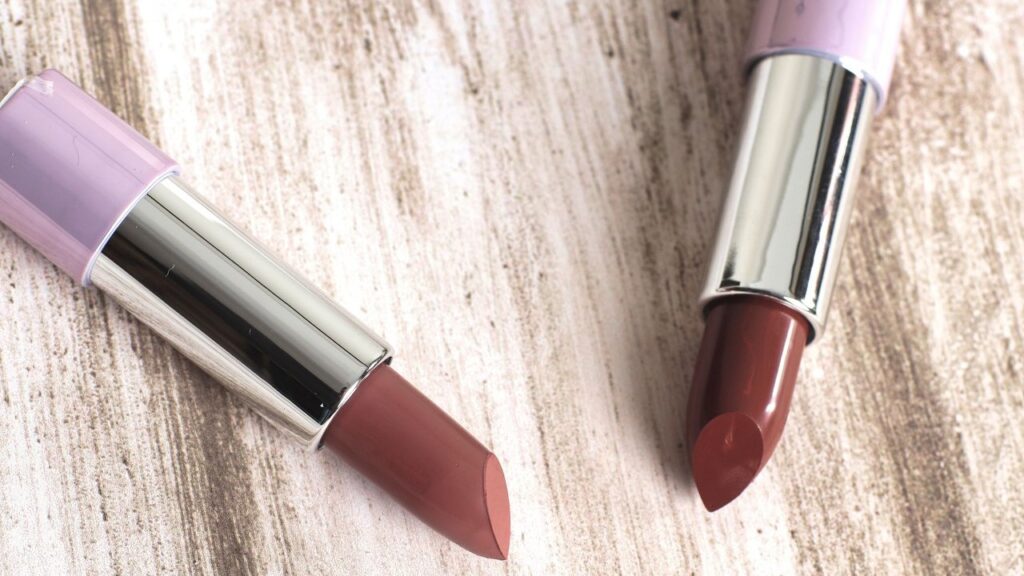
There is a particular shade of lipstick that shows up every year once the air turns cold, and this winter it has a name: berry. Not quite red, not quite purple, somewhere in between plum and wine, it is the color you reach for when you want your mouth to look like it just had cider. You do not need a makeup bag full of tools to wear it well. You just need to know what you are working with.
Berry lipstick earns its reputation because it does something neutral red cannot do in winter light. It warms you up without screaming for attention, and it reads as polished even when the rest of your look is simple. That is probably why it keeps coming back every season instead of fading out with the trends around it.
Why berry works when red feels like too much
Red lipstick demands a reason. You put it on and you are making a statement, whether you meant to or not. Berry gives you the same richness without the pressure. It sits closer to your natural lip tone, so it flatters more situations: the school pickup, the work dinner, the coffee run where you just wanted to look a little more finished.
You can wear it with almost no other makeup and still look intentional. That is the real appeal. It does the work a full face usually does, on its own.
Finding your exact shade of berry
Berry is not one color, it is a family, and the right one depends on what your skin does with color. If you lean warm, look for berries with a brick or brown undertone, something closer to a dried rose. If you lean cool, a true wine or blackberry shade will sit better and avoid looking muddy. The test that actually works: swipe it on your wrist, not the back of your hand, and look at it in daylight before you decide.
Do not be afraid of something darker than you think you can handle. Berry is forgiving in a way black-based reds are not, because it has enough warmth underneath to keep it from looking severe.
Making it last through a long day
Berry shades tend to be more pigmented than your average lipstick, which means they can also fade unevenly if you are not careful. A light liner in a matching tone keeps the edges from going patchy by afternoon. Blotting once, then reapplying a thin second layer sets the color so it does not transfer onto every mug and wine glass you touch. Skipping gloss on top if you want it to survive a full day of talking, eating, and existing in the cold, since shine tends to shorten wear time.
What to put around it
The rest of your face gets to relax when your lips are doing the work. A soft wash of bronze or brown on the eyes keeps the whole look from fighting itself. Skip a heavy cat eye or a bold lid color unless you genuinely want the drama of two strong features competing. Cheeks can stay warm and natural, a flush rather than a statement.
Your winter coat and scarf matter more than people expect here too. Deep greens, camel, black, and burgundy all let berry lips read as rich rather than clashing. Busy patterns or very bright brights can pull focus away from the one thing you were trying to highlight.
Wearing it on the days you do not feel glamorous
You do not have to save berry for nights out. Some of the best days to wear it are the ordinary ones, when you want a small lift without doing much else. Swipe it on over a bare face, grab your coffee, and let it carry the whole look. It photographs well in low winter light, which is more than you can say for most makeup this time of year.
If you have been circling the same two lipsticks for years, this is a low-risk way to change something. It costs you one tube and a few minutes in front of a mirror, and it gives you back a little bit of that feeling where you catch your reflection and actually like what you see.