
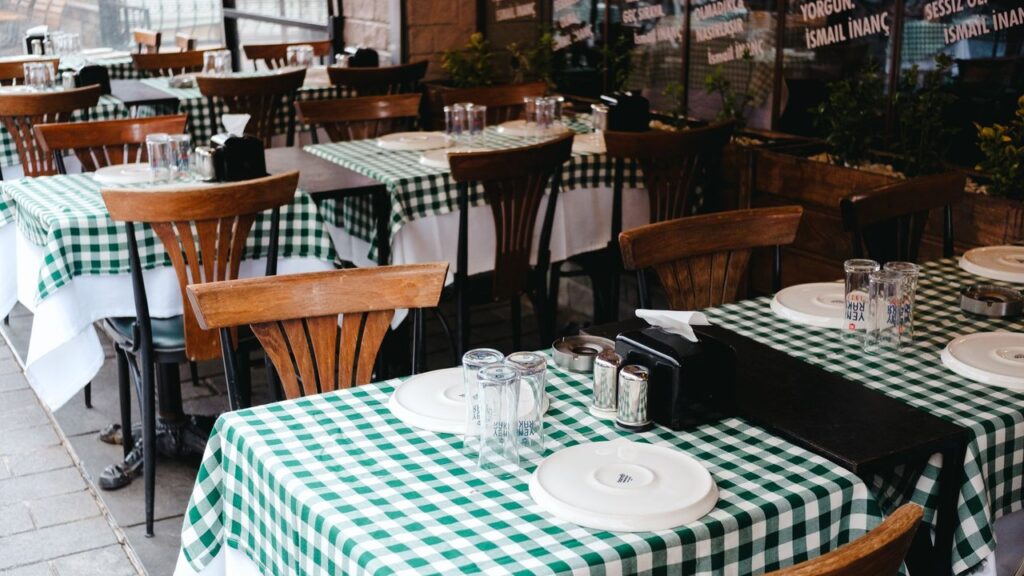
Gratitude and grief are not opposites fighting for the same chair — they are two guests who can sit at the same table without either one having to leave. A family that lost someone this year, or is remembering an old loss that resurfaces every November, does not have to choose between genuine thankfulness and genuine sadness. The two can exist in the same breath, sometimes in the same sentence, and trying to force one out so the other can “win” usually just makes everyone perform a feeling they don’t have.
Part of the trouble is how Thanksgiving gets framed before anyone sits down. The holiday arrives with an unspoken script: count your blessings, smile for the photo, say something nice when it’s your turn around the table. For a family carrying a recent loss, or an anniversary of one, that script can feel like it has no line for them. The result is often a quiet, unspoken pressure to either fake cheerfulness or sit out the holiday entirely, as if sorrow disqualifies someone from gratitude. It doesn’t. A person can be deeply thankful for the people still in the room and still ache for the one who isn’t.
When one relative goes quiet and everyone reads it differently
Imagine a hypothetical family gathering where an aunt who lost her husband that spring sits through dinner saying very little. One cousin assumes she’s fine because she helped set the table. Another worries she’s miserable and tries too hard to cheer her up, cracking jokes that land wrong. Neither guess is reliable, because quiet grief doesn’t always look like crying, and it doesn’t always need fixing. Instead of interpreting her silence, someone could simply check in privately: “I know this is a hard time of year — I’m glad you’re here, and there’s no pressure to be anything other than how you are today.” That sentence does two things a cheerful toast can’t: it names the loss without dwelling on it, and it removes the obligation to perform okay-ness for the table.
If the grieving relative wants to talk, that opening gives her room. If she doesn’t, she hasn’t been cornered into explaining herself. Either way, the rest of the family isn’t left guessing, which is usually worse for everyone than an honest, brief acknowledgment.
Setting a place for the person who isn’t there
Some families find it helpful to acknowledge an absence directly rather than letting it sit underneath the conversation unspoken. That might mean naming the person during a toast, lighting a candle at the table, or simply saying their name once during the meal instead of avoiding it all day out of fear it will “ruin the mood.” In practice, most people find the opposite is true — the unspoken absence is usually heavier than the spoken one. A short acknowledgment, even one sentence, tends to release tension rather than add to it, because it tells everyone at the table that the loss is allowed to exist alongside the meal, not hidden from it.
This doesn’t require a long speech or a formal ritual. A parent might say, “We’re missing Grandpa a lot today, and we’re also really glad to be together,” and then move on to passing the potatoes. Both halves of that sentence are true at once, and saying them together models for the rest of the family that gratitude doesn’t require grief to be erased first.
What to do when someone insists on forced cheer
Not every relative will be comfortable with any acknowledgment of sadness at a holiday table. Someone might say, “Let’s not talk about that today, let’s just be happy,” meaning well but effectively asking the grieving person to hide. A reasonable response doesn’t have to turn into an argument: “I think we can hold both today — I want us to enjoy the meal, and I also don’t want to pretend this year is the same as last year.” That approach doesn’t demand the other person grieve on command, and it doesn’t ask the grieving person to suppress what they’re carrying either. It simply states that both things are allowed to be true in the same room.
If that relative still prefers to steer conversation elsewhere, that’s a reasonable boundary too — people grieve and cope differently, and no single approach fits every personality at the table. The goal isn’t to make everyone grieve the same way or at the same volume; it’s to make sure no one feels forced to hide what they’re actually feeling in order to be welcome at dinner.
The families who get through a hard Thanksgiving well aren’t the ones who figure out how to feel less sad or perform more gratitude. They’re the ones who stop treating the two as a trade-off. When the meal is over, the useful question isn’t whether the day felt happy or sad — it’s whether everyone at that table got to feel what was actually true for them, without having to choose a side.
Image Credit: Markus Winkler — Pexels License / Pexels