
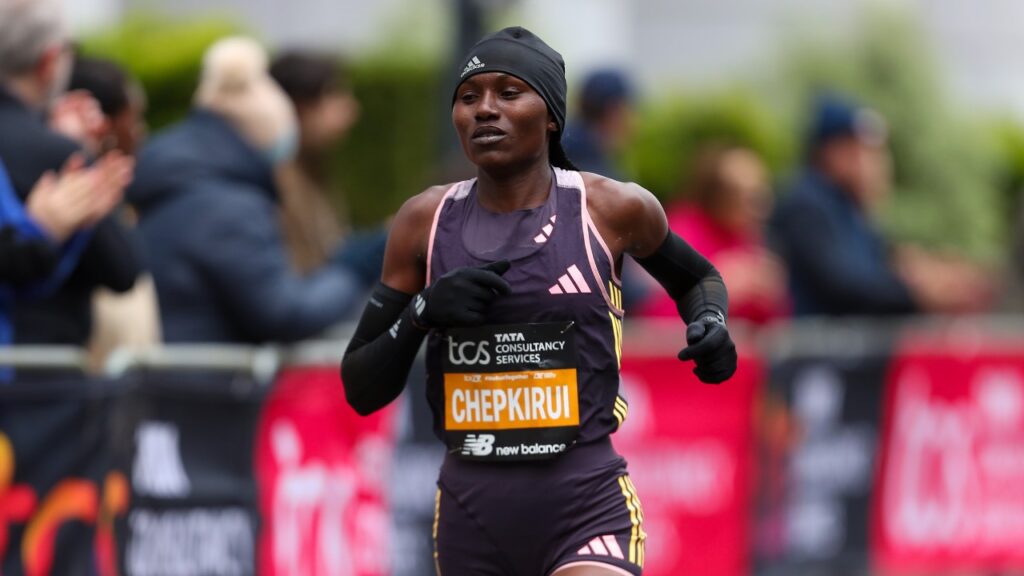
There’s a particular kind of finish you can’t look away from — not because anyone’s losing badly, but because nobody is. You know the feeling even if you’ve never run 26.2 miles yourself: the last stretch where the gap between winning and almost-winning comes down to strides, not minutes. This past weekend’s New York City Marathon gave the women’s field exactly that.
A six-second race, after 26.2 miles
Sheila Chepkirui won the women’s division of the 2026 New York City Marathon in 2:24:36. She finished just six seconds ahead of American runner Jessica McClain, who crossed in 2:24:42. Think about how you measure six seconds in your own day — barely long enough to read this sentence twice. After more than two hours of running, that’s what separated first from second.
The race was held Sunday, November 1, marking the 50th anniversary of the modern five-borough course. It’s the same route if you’ve ever watched it from the sidelines, or thought about running it yourself: all five boroughs, ending in Central Park.
A three-way finish, not just a two-way one
Third place went to Hellen Obiri, who finished just one second behind McClain at 2:24:43. That’s three women separated by seven total seconds at the end of a marathon. It’s a finish tight enough that it’s genuinely the story here, not just the backdrop to Chepkirui’s win.
You don’t need to follow distance running closely to feel what that means. Every one of those three women held pace together for over two hours. The order wasn’t decided until the very end, the same way your own close calls rarely get decided early.
What makes a finish like this worth your attention
It’s easy to let a marathon result scroll past as just a number next to a name. But a margin this small, after a distance that long, is its own kind of evidence. It shows you how close elite competition actually is, and how little separates “won” from “second” when everyone involved has already done the hard part.
That’s worth sitting with for a second, whether or not you’ve ever laced up for a race longer than a 5K. The gap between finishing and almost-finishing is rarely about talent alone. It’s about who had something left in the very last mile — the same mile that tests you, whatever your own version of this race looks like.