
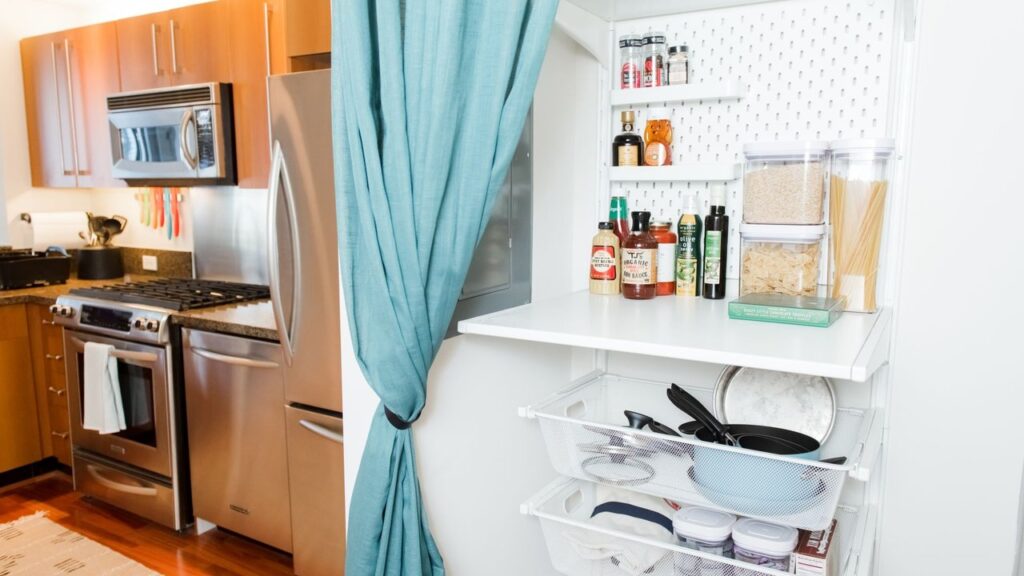
It is easy to blame a rising grocery bill on inflation or bad luck at the store, but a lot of the overspending actually starts in your own kitchen. The habits that waste food, duplicate purchases or let good ingredients go bad are quieter than a receipt total, so they rarely get blamed. Once you start watching for them, you notice how much of your budget leaks out before you even walk in the store.
The pantry you forgot you had
You buy a jar of something because the recipe called for it, use two tablespoons, then shove it to the back of the shelf. Six months later you buy another jar for a different recipe, not realizing the first one is still there. A kitchen with no visible inventory system quietly doubles your spending on spices, sauces and baking staples. A five-minute shelf check before you shop costs you nothing and saves you from buying what you already own.
Shopping without a plan for the week
Walking into a grocery store without any sense of what you are actually cooking leads to random, disconnected purchases. You grab things that sound good in the moment but do not combine into real meals, so pieces of each item go unused. A rough plan, even a loose one scribbled on your phone, keeps your cart working toward dinners instead of toward individual impulses.
Letting the fridge become a mystery box
Produce and leftovers get pushed behind newer purchases until you cannot see what is actually in there. You end up buying duplicate vegetables or starting from scratch on a meal when half the ingredients were already sitting in the crisper, just hidden. Keeping the fridge loosely organized, with older items toward the front, means you actually see what needs to be used before it spoils.
Treating bulk size as automatic savings
Bigger packages often look like the better deal per unit, and sometimes they are. But if half of a giant bag of spinach or a family-size portion of meat ends up thrown out because you could not use it in time, the lower unit price does not matter anymore. For items that spoil quickly, a smaller size you will actually finish is often the real bargain, even if the per-ounce math looks worse on the shelf tag.
Buying a whole set of ingredients for one recipe
A recipe that calls for a specialty ingredient you will likely never use again can quietly add real cost to a single meal. If you buy a full bottle of an uncommon spice or sauce for one dish and then never touch it again, that purchase was really the price of the whole bottle, not just the tablespoon the recipe needed. Before buying something unfamiliar, it helps to ask whether you can substitute something already in your kitchen or whether the item will show up again in meals you actually cook on a normal week.
Letting leftovers quietly disappear
Cooking a big batch of something is a reasonable way to save time and money, but only if the leftovers actually get eaten. Containers pushed to the back of the fridge, forgotten until they smell off, turn a smart bulk-cooking choice into wasted groceries. Labeling containers with the date, or keeping leftovers at eye level instead of buried behind new groceries, makes it much more likely they get used instead of discarded.
Grabbing convenience versions of things you could make
Pre-chopped vegetables, individually packaged snacks and other convenience items cost more per unit than their whole, unprepared counterparts. There is nothing wrong with buying convenience when your week genuinely needs it, but doing it as a default habit rather than an occasional choice adds up over months. Noticing which convenience purchases are truly saving you stress, versus which ones have just become routine, lets you keep the ones that are worth it and drop the ones that are not.
The freezer treated as a vault, not a plan
Freezing food feels like a safe move, but a freezer with no system becomes its own kind of waste. A bag of chicken thighs or a container of soup can slide behind newer purchases and stay there, forgotten, until it is covered in frost and unrecognizable. Imagine buying ground turkey on sale, freezing it with good intentions, then buying more turkey three weeks later because the first package was buried under ice cream and frozen vegetables. Keeping a short running list on the freezer door, or doing a quick scan before each shopping trip, turns the freezer back into a resource instead of a place where food quietly expires.
Shopping while hungry or rushed
Grocery runs squeezed between errands or done on an empty stomach tend to produce carts filled with whatever looks appealing in the moment rather than what fits an actual meal plan. A hypothetical shopper grabbing a quick snack before checkout might also toss in extra items that never get used. A short pause to eat something small first, or shopping with a simple list in hand, helps keep purchases tied to real meals rather than momentary cravings.
None of these habits feel like overspending in the moment. Each one is a small, reasonable-seeming decision made under a bit of time pressure or in the name of convenience. But together they can cost you more over a month than a jump in grocery prices ever would. Paying attention to your own kitchen patterns, not just your receipts, is often where the real savings are hiding.
Image Credit: ASR Design Studio — Pexels License / Pexels