
For years the pressure to make a home look flawless before anyone walked through the door felt like the whole point of hosting. Spotless counters, matching towels, a living room staged like a catalog page. What actually makes someone exhale and settle into your couch has almost nothing to do with any of that. It comes down to a handful of small, almost invisible choices that tell a guest they can stop performing and just be there.
The lighting trick that matters more than the couch
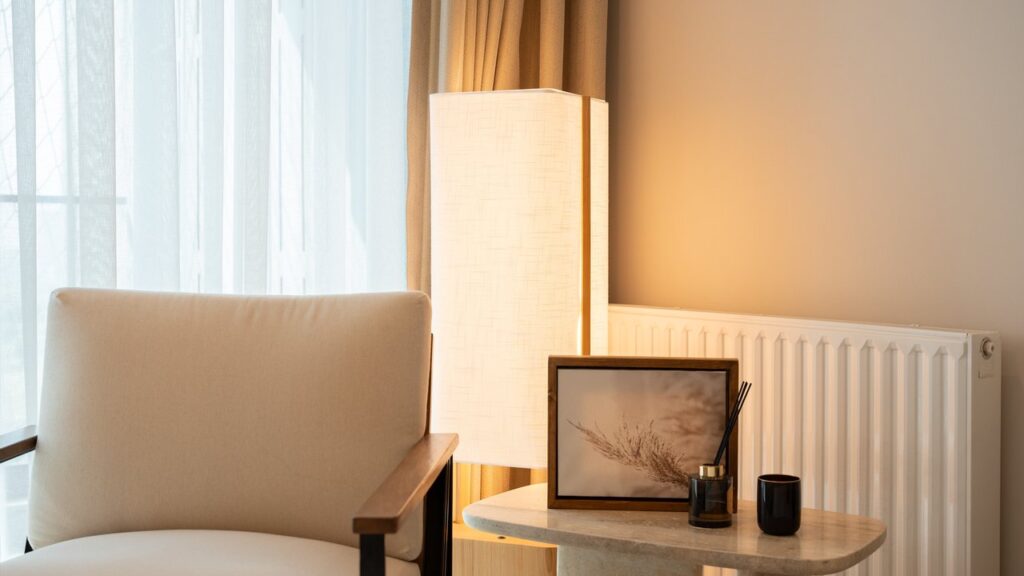
Harsh overhead light makes any room feel like a waiting area, no matter how nice the furniture is. Turning on a lamp or two, dimming the main light, or even just closing the blinds against afternoon glare changes the whole mood of a space in seconds. You don’t need new furniture to make a room feel warm. You need light that doesn’t feel like an interrogation.
Why a stocked bathroom beats a spotless one
A guest bathroom that’s been scrubbed within an inch of its life still feels cold if there’s nothing in it but a bar of soap. Extra toilet paper where it’s easy to see, a clean hand towel, maybe a candle or a small basket with lotion. These details tell someone you thought about the moment they’d actually be standing there, not just the moment you’d be judged for cleanliness. A slightly less pristine bathroom that has what someone needs will always feel more welcoming than a sterile one that doesn’t.
The smell that says you’re expected
You notice a home’s smell before you notice almost anything else in it, and so does every person who walks through your door. It doesn’t have to be elaborate. Something simmering on the stove, a candle lit before they arrive, even just opened windows earlier in the day so the air feels fresh instead of stale. A home that smells like nothing often reads as a home that wasn’t quite ready. A home that smells like something, even something simple, reads as a home where someone was expecting you.
Giving guests something to do with their hands
People relax faster when they have a small task or a small object to hold. A drink offered within the first few minutes, a bowl of something to snack on, a coaster set within reach so nobody’s hovering with a glass wondering where to put it. These tiny logistics remove the low-level awkwardness of not knowing what to do with yourself in someone else’s space. You’re not entertaining them every second. You’re just removing the friction that keeps a guest from fully settling in.
The temperature nobody mentions until it’s wrong
A home that’s too cold or too warm is uncomfortable in a way people rarely say out loud, but it colors the whole visit. Checking the thermostat before someone arrives, cracking a window if the house has gotten stuffy from cooking, or having a blanket within reach for someone who runs cold costs you nothing and solves a problem before it becomes one. Comfort at this level isn’t glamorous. It’s just attentive.
Why imperfect counters feel more honest than staged ones
A home that looks untouched can actually make a guest more self-conscious, not less, because it signals a standard they’re now supposed to live up to. A few lived-in signs, a stack of mail, a kid’s drawing on the fridge, a blanket left on the arm of the couch, tell a visitor that this is a real home and they’re allowed to exist in it the same way. You don’t have to hide every trace of your actual life to make someone feel comfortable in it. Sometimes the opposite is true.
Letting someone help instead of waving them off
The instinct to insist a guest sit down and do nothing comes from good intentions, but it can leave people feeling like they’re on display rather than included. Letting someone chop a vegetable, carry plates to the table, or refill waters gives them a role instead of a spotlight. Most people feel more at ease contributing in a small way than being fully waited on. Hospitality doesn’t have to mean you do everything and they do nothing.
Naming the thing you used to get wrong
None of this required a bigger house, new furniture, or a weekend of deep cleaning before anyone arrived. It required paying attention to the small sensory and social details that actually shape how a visit feels, instead of the visual details that only matter in photographs. Once you notice how much a lamp, a scent, or a drink offered early can do, the pressure to make everything look perfect starts to loosen. The next time someone’s coming over, you can skip the scramble to make your home look impressive and spend that energy making it feel easy instead. That shift is the one guests actually notice, even if they could never quite explain why your place feels different from everywhere else they visit.
Image Credit: Ansar Muhammad — Pexels License / Pexels